dermatology
Psoriasis Treatment
Psoriasis is a chronic skin condition that requires a range of treatments, including ultraviolet light therapy, topical creams, and modern biologic therapies.
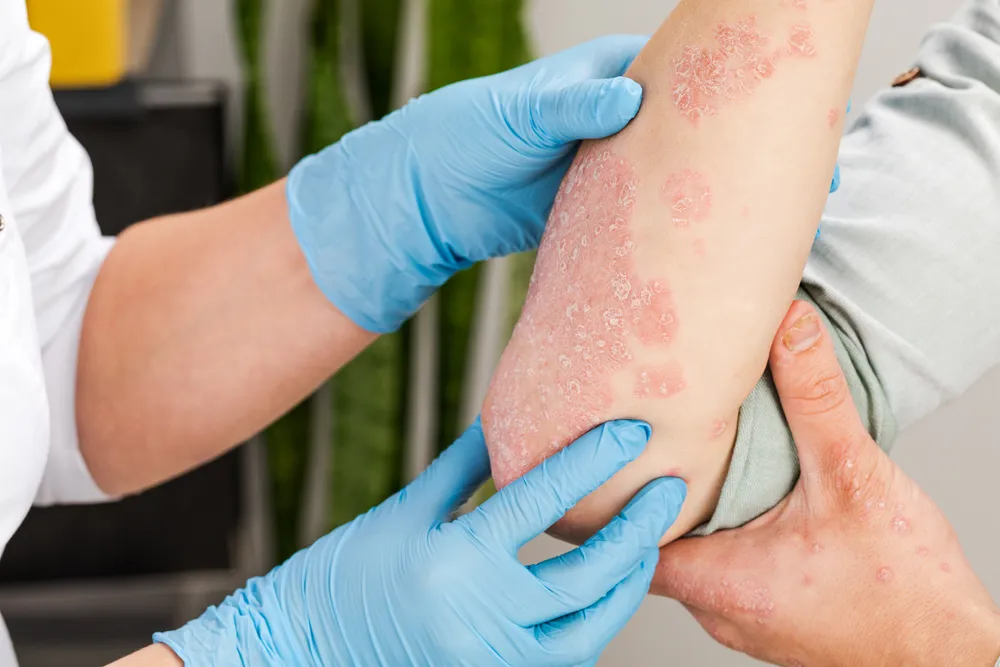
Psoriasis is more than just a skin condition—it is a daily challenge for those living with it. Dealing with the red, scaly patches that appear on the skin can be physically uncomfortable and emotionally stressful. The good news is that modern medicine now offers innovative and effective treatments that can significantly improve the condition of the skin. Today, achieving smoother, healthier skin and reducing the symptoms of this chronic condition is more possible than ever.
What Is Psoriasis?
Psoriasis is a chronic skin disorder that occurs when skin cells grow too quickly, causing new cells to accumulate on top of older ones. This buildup forms red, scaly patches that commonly appear on the elbows, knees, scalp, and sometimes other areas of the body. People with psoriasis often experience severe itching and swelling in the affected areas, making it one of the most challenging skin conditions.
1. Narrowband UVB Phototherapy
One of the most effective treatments for reducing psoriasis symptoms is narrowband ultraviolet B (UVB) phototherapy. This treatment exposes the affected skin to UVB light, helping to slow the rapid growth of skin cells. When performed under medical supervision, it is considered safe and can produce noticeable improvements after several sessions. UVB therapy also helps reduce inflammation and relieve itching, improving overall patient comfort.
2. Topical Creams and Ointments
Many topical medications play a key role in treating psoriasis. Among the most commonly used are topical corticosteroids, which help reduce inflammation in affected areas. Creams containing vitamin D analogs and anthralin, a compound that helps remove excess skin buildup, are also widely used to promote healthy skin cell renewal and clear scaly patches.
3. Biologic Therapy
One of the most advanced treatment options is biologic therapy, which works by modifying the immune system's response. Biologic medications target specific immune cells involved in skin inflammation, helping to reduce symptoms and significantly improve the appearance of the skin. This treatment is an ideal option for individuals with severe psoriasis who have not responded well to conventional therapies.
4. Cryotherapy
Cryotherapy, or cold therapy, is another option that may be used to treat psoriasis in small, localized areas of the skin. This technique uses extremely low temperatures to destroy damaged skin cells, stimulating the growth of new, healthy cells in their place. It can improve the appearance of the skin while also helping to reduce inflammation.
5. Systemic Medications
If topical treatments or other therapies are not effective, a doctor may prescribe systemic medications. These include methotrexate, cyclosporine, and biologic drugs, which are taken orally or by injection to reduce inflammation and control excessive skin cell growth. These treatments are typically used for severe psoriasis or cases that affect large areas of the body and do not respond to other treatment options.
Related Topics
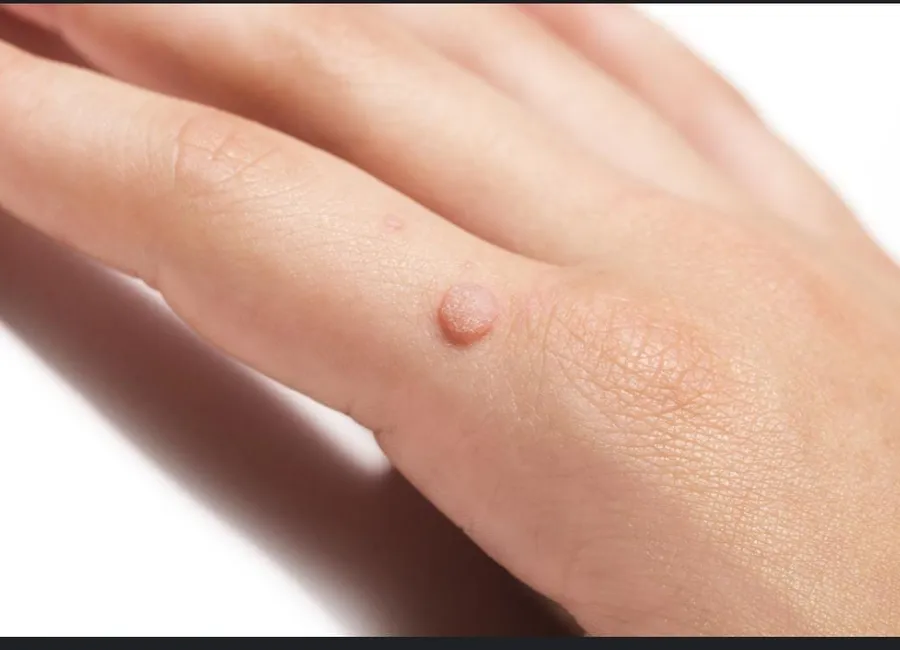
تقنية إزالة الثآليل
تعتبر الثآليل من المشكلات الجلدية الشائعة التي قد يعاني منها الكثيرون في مراحل مختلفة من حياتهم، وهناك العديد من التقنيات الحديثة التي تساعد على إزالتها بشكل فعال وآمن.
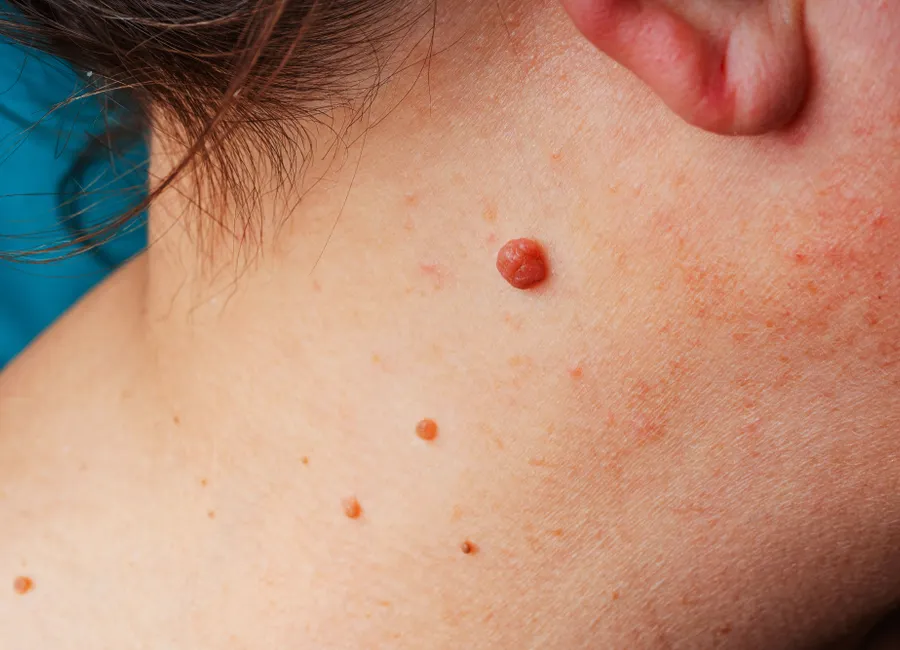
تقنية إزالة الزوائد الجلدية
الزوائد الجلدية قد تكون غير مؤلمة لكنها قد تسبب الانزعاج الجمالي أو الاحتكاك المستمر، وتوفر التقنيات الحديثة حلولًا فعالة وآمنة لإزالتها.
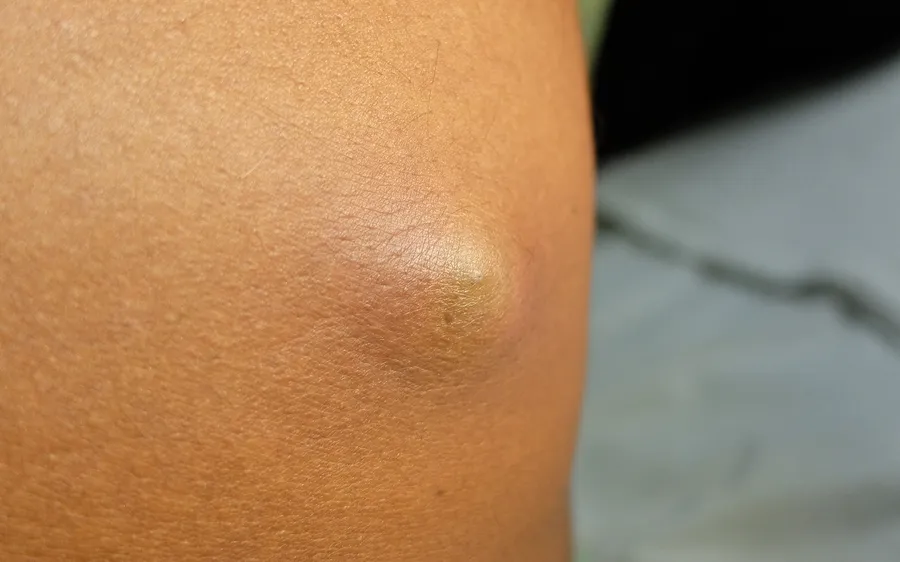
إزالة الأكياس الدهنية
تعد الأكياس الدهنية من المشكلات الشائعة التي تظهر تحت الجلد ويمكن أن تسبب إزعاجًا جماليًا، وتتوفر اليوم عدة تقنيات فعالة لإزالتها بأمان.
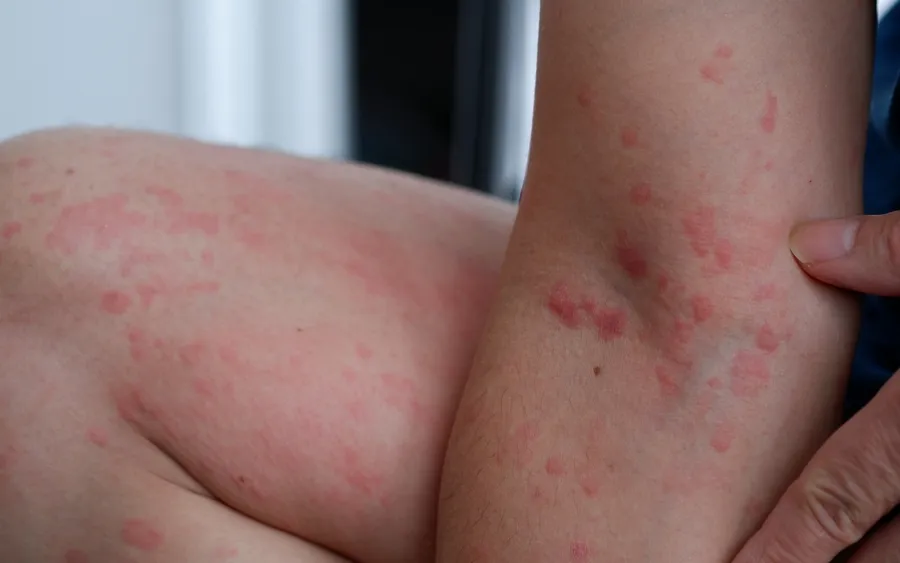
رحلة الشفاء من الإكزيما
تُعد الإكزيما من التحديات الجلدية المزمنة التي تحتاج إلى عناية مستمرة وخطة علاجية متكاملة تشمل الترطيب والعلاج الدوائي ونمط الحياة.
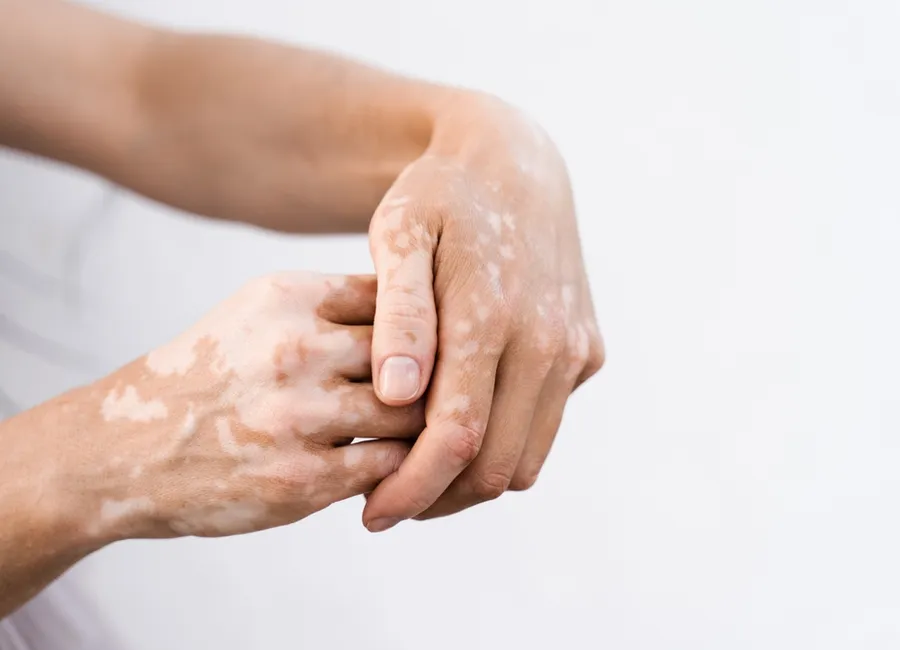
تقنية علاج البهاق: استعادة الجمال والثقة بالنفس
يعتبر البهاق من الاضطرابات الجلدية التي تحدث نتيجة لفقدان الميلانين، الصبغة المسؤولة عن لون البشرة، في بعض المناطق من الجلد.
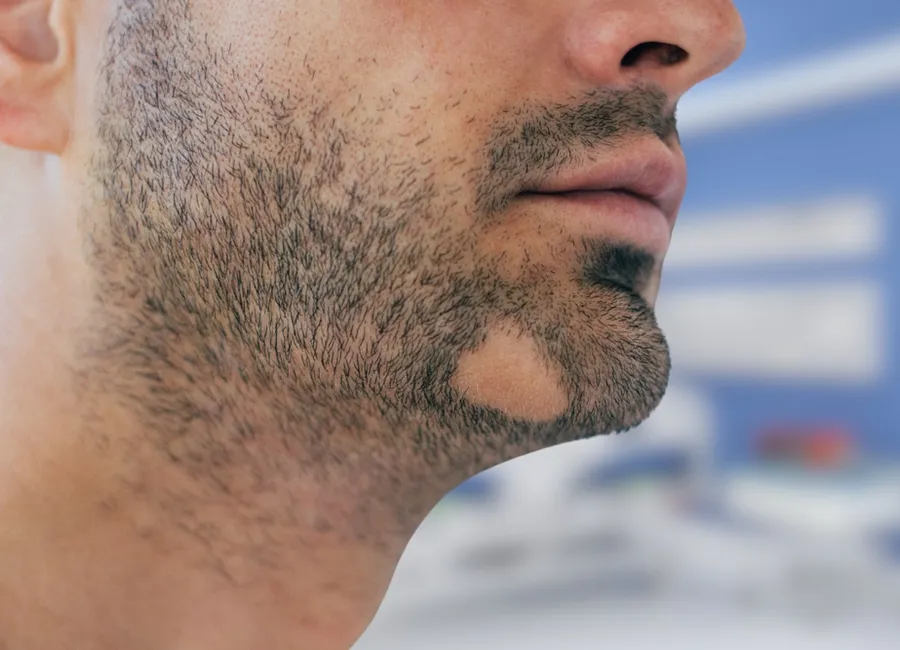
الثعلبة الجلدية: الأسباب، الأعراض وطرق العلاج
تُعد الثعلبة الجلدية من الأمراض الجلدية المناعية الشائعة التي تؤثر بشكل رئيسي على فروة الرأس وتسبب تساقط الشعر بشكل مفاجئ.