hair-care
Androgenetic Alopecia (Genetic Hair Loss)
Genetic hair loss, or androgenetic alopecia, is the most common type of hair loss, affecting both men and women due to genetic and hormonal factors that impact hair follicles.
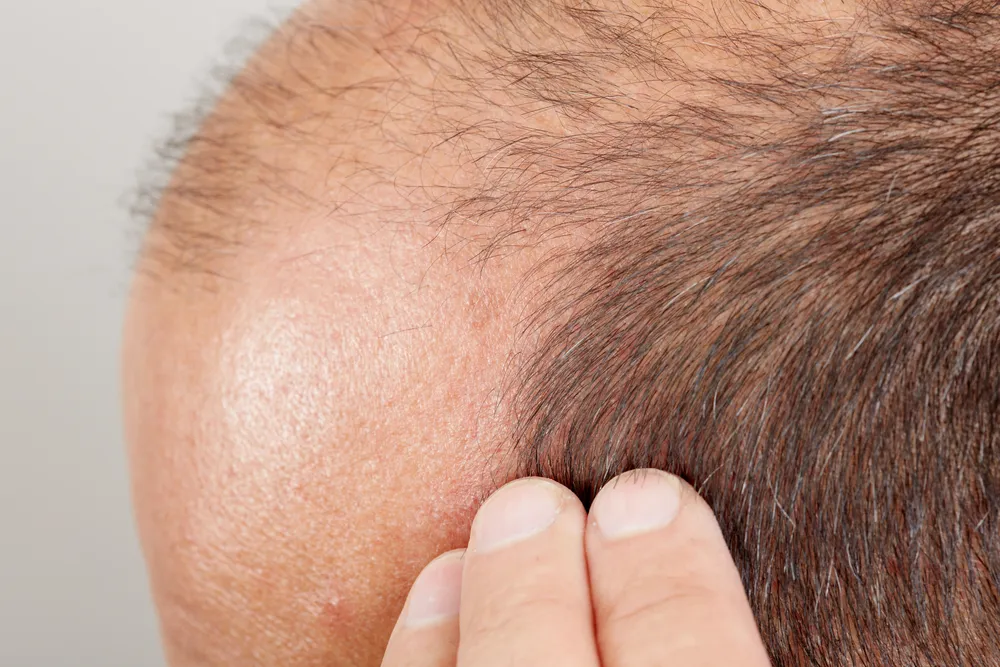
Genetic hair loss, scientifically known as androgenetic alopecia, is the most common type of hair loss. It is a widespread concern that affects both men and women alike, inherited across generations and bringing with it the challenge of progressive hair thinning.
Causes and Symptoms
The primary cause of genetic hair loss is a combination of hereditary factors and male sex hormones known as androgens. Genetics play a crucial role in determining who will develop androgenetic alopecia and when it will begin. As for hormones, they affect hair follicles in various ways, leading to a shortened hair growth cycle and a gradual miniaturization of the follicles.
Genetic hair loss typically begins gradually. In men, it often starts with a receding hairline at the forehead, followed by thinning at the crown. In women, the thinning is usually more diffuse and presents primarily on the top and vertex of the scalp.
Diagnosis and Treatment
The diagnosis of androgenetic alopecia relies on a physical examination and the patient's medical history. The physician may also perform a scalp evaluation to determine the specific pattern of hair loss. In some cases, additional diagnostic testing might be required to rule out other potential causes of hair shedding.
Treatment Options
- Topical Medications: Such as Minoxidil, which helps stimulate hair regrowth.
- Oral Medications: Such as Finasteride, which reduces the hormonal impact on hair follicles.
- Laser Therapy: Utilizing low-level laser therapy (LLLT) to stimulate hair follicle activity.
- Hair Transplantation: A surgical procedure where hair follicles are transferred from donor sites of the scalp to the thinning areas.
Tips for Coping with Genetic Hair Loss
In addition to medical interventions, there are several practical steps that can help individuals manage and adjust to genetic hair loss.
- Accept the Condition: Genetic hair loss is a natural part of aging for many individuals. Embracing the change can significantly reduce the stress and anxiety associated with hair thinning.
- Hair Care Routine: Using gentle hair products and avoiding harsh styling treatments or aggressive pulling.
- Altering Hairstyles: Changing your haircut or styling technique can effectively camouflage areas experiencing hair thinning.
- Consulting a Doctor: Medical professionals can offer psychological support alongside detailed advice regarding available clinical treatments.
Genetic hair loss is not merely an aesthetic concern; it can profoundly impact a patient's psychological and emotional well-being. It is vital to speak with a specialist to obtain an accurate diagnosis and treatment plan, while practicing the tips mentioned above to navigate the condition in the best possible way.
Related Topics
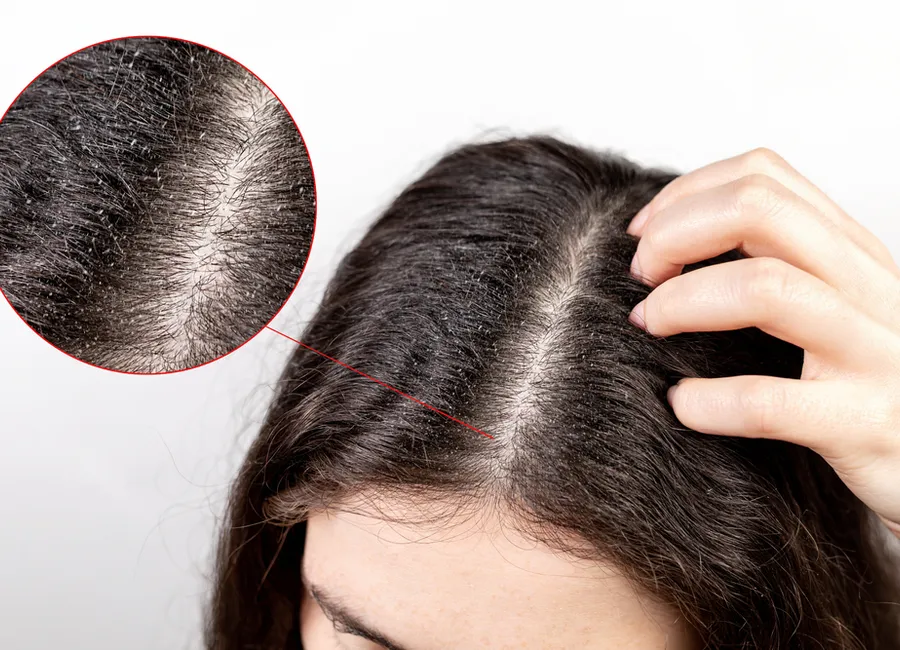
قشرة الشعر
قشرة الشعر هي حالة شائعة تتميز بتقشر فروة الرأس وظهور رقائق بيضاء صغيرة.
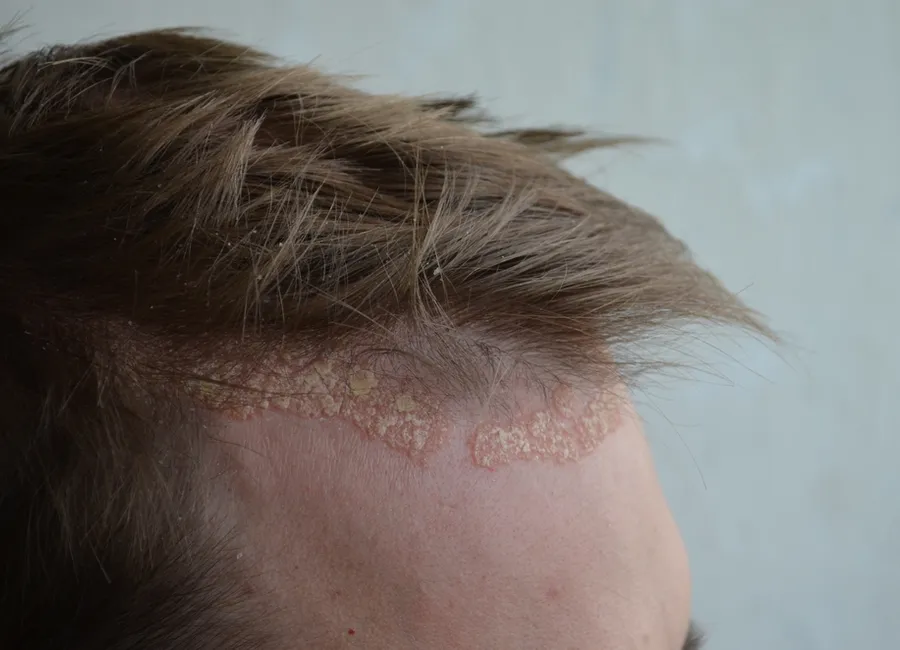
صدفية الفروة
تعتبر صدفية فروة الشعر من الأمراض الجلدية الشائعة التي تصيب فروة الرأس وتسبب ظهور قشور فضية أو بيضاء وحكة شديدة.
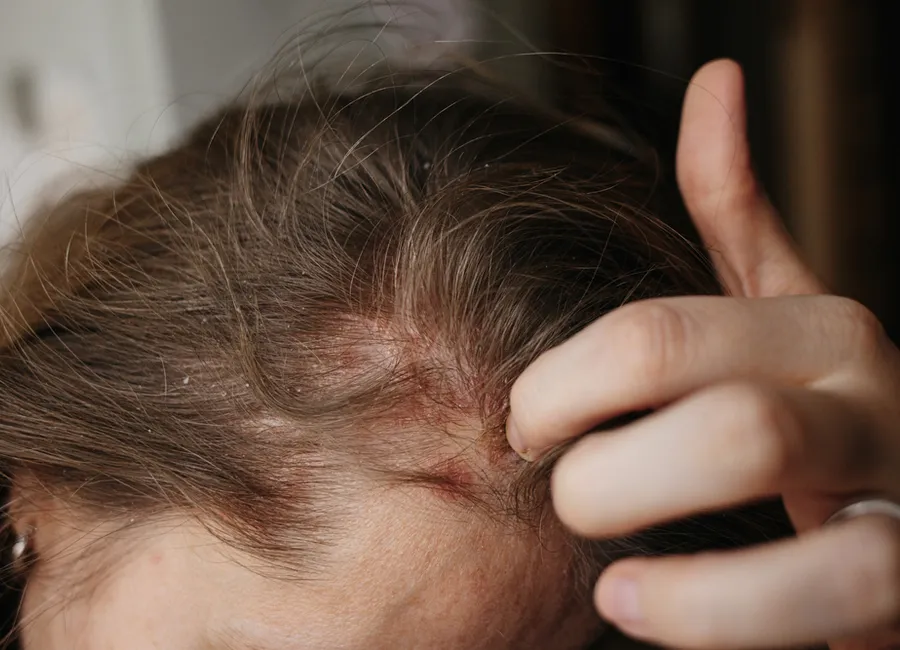
الاكزيما الدهنية
تعتبر الأكزيما الدهنية حالة جلدية شائعة تصيب ملايين الأشخاص حول العالم.
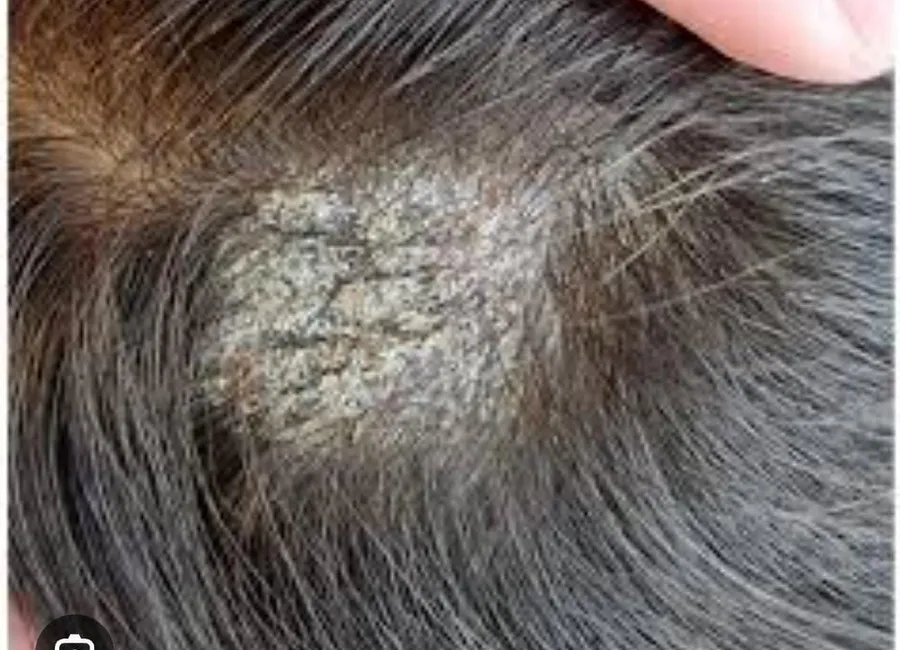
فطريات الشعر
تعد فطريات الشعر من المشاكل الشائعة التي تصيب فروة الرأس، ويمكن أن تؤثر بشكل كبير على صحة الشعر والمظهر العام.
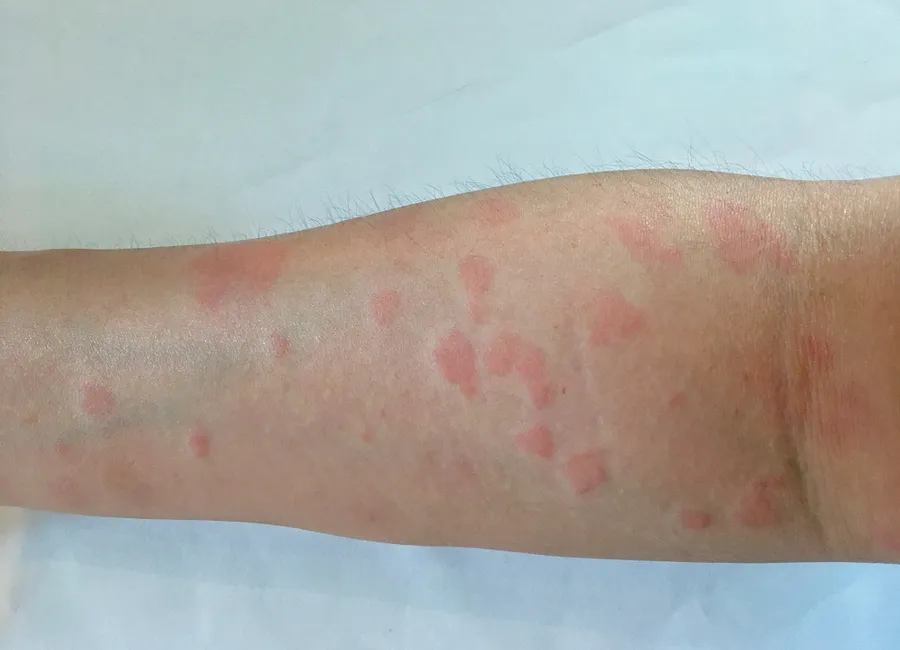
الذئبة الحمراء
الذئبة الحمراء، أو الذئبة الحمامية الجهازية، هي مرض مناعي ذاتي مزمن ومعقد.
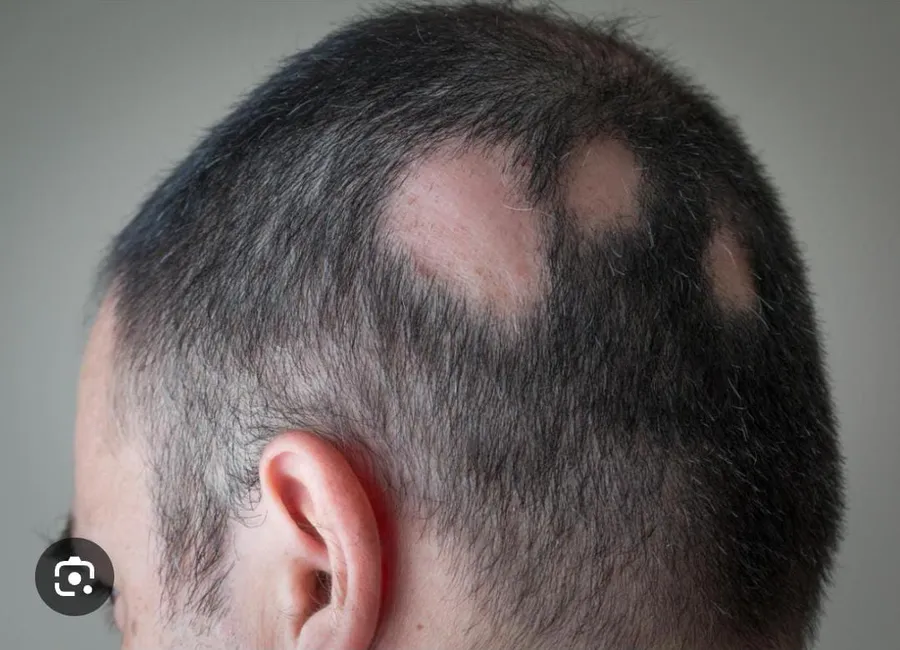
تقنية علاج الثعلبة
الثعلبة حالة تسبب تساقط الشعر المفاجئ وظهور مناطق صلعاء، وتتوفر اليوم تقنيات علاجية متعددة تساعد على تحفيز نمو الشعر واستعادة المظهر الطبيعي.