dermatology
Alopecia Areata: Causes, Symptoms, and Treatment Methods
Alopecia areata is a common autoimmune skin condition that primarily affects the scalp, causing sudden, patchy hair loss.
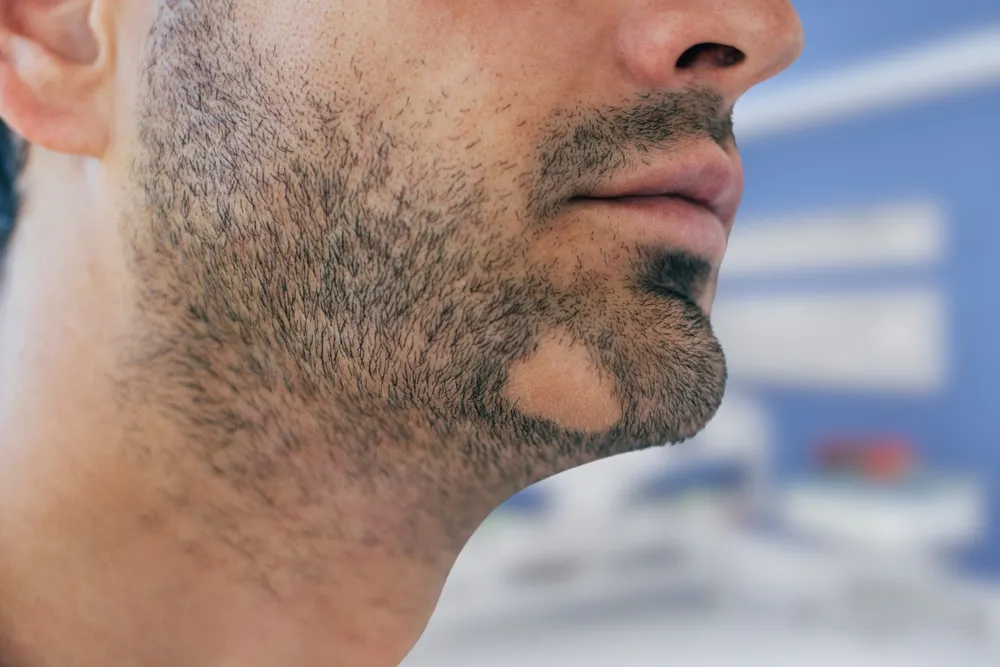
Alopecia areata is a common autoimmune skin condition that primarily affects the scalp, though it can impact other areas of the body. This disease triggers sudden hair loss and affects men, women, and in some cases, children. The severity of the condition varies from person to person, ranging from mild hair loss in localized spots to complete hair loss across the body. In this article, we review the most important information regarding alopecia areata in terms of its causes, symptoms, and available treatment options.
First: What is Alopecia Areata?
Alopecia areata is an autoimmune condition where the immune system mistakenly attacks the hair follicles, leading to hair loss. It frequently manifests as smooth, round, or oval patches devoid of hair. In some instances, it can progress into more severe forms such as alopecia totalis (total scalp hair loss) or alopecia universalis (complete body hair loss).
Second: Causes of Alopecia
While the exact cause is not fully understood, several factors are believed to trigger the condition. These include immune system dysregulation, genetic predisposition, severe psychological or emotional stress, and certain co-existing autoimmune diseases such as systemic lupus erythematosus, thyroiditis, vitiligo, and type 1 diabetes.
Third: Symptoms of Alopecia Areata
Symptoms include sudden hair loss in the form of bare patches, which may sometimes be accompanied by mild itching or a tingling sensation. In certain cases, fingernail or toenail changes occur, such as pitting or brittleness, and recurrent hair loss may happen across different areas of the body.
Fourth: Diagnosis of Alopecia
Diagnosis is typically made through a clinical examination by a dermatologist. Blood tests may be requested to screen for associated autoimmune diseases. In rare cases, a scalp biopsy might be performed, alongside an assessment of the patient's nails.
Fifth: Treatment Methods
Although there is currently no cure for alopecia areata, several treatment options help stimulate hair regrowth. These include corticosteroids (administered via local injections, topical creams, or oral tablets), topical immunotherapy, Minoxidil, phototherapy, and modern biologic treatments such as JAK inhibitors.
Sixth: Tips for Managing Alopecia
Providing psychological support to the patient and managing stress levels are critical steps. It is recommended to use gentle hair care products and to raise awareness that alopecia areata is not a contagious disease and is entirely unrelated to personal hygiene. Continuous follow-ups with a dermatologist greatly improve overall therapeutic outcomes.
Related Topics
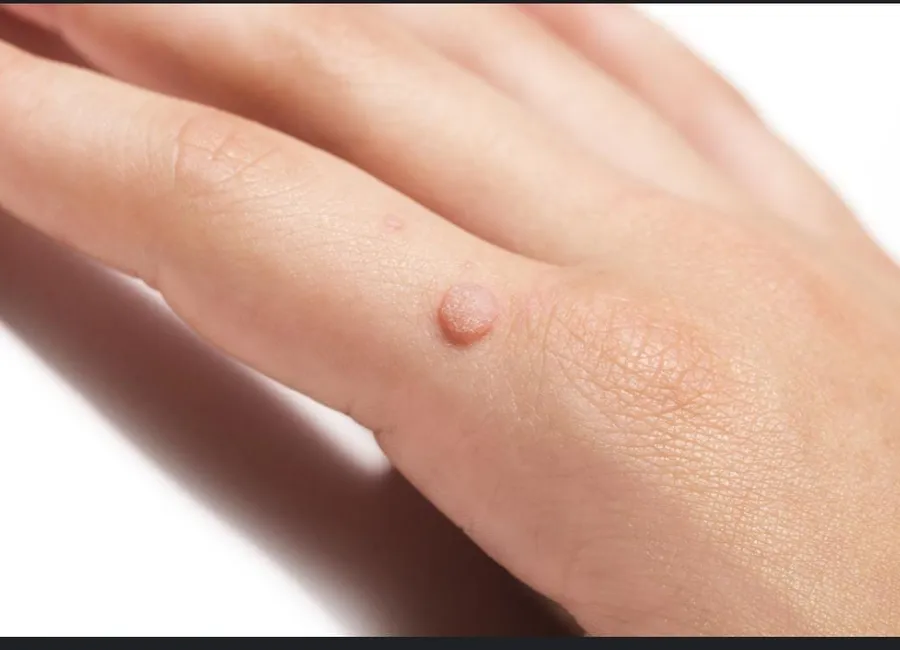
Wart Removal Techniques
Warts are common skin concerns that many people experience at different stages of life. There are several modern techniques that help remove them effectively and safely.
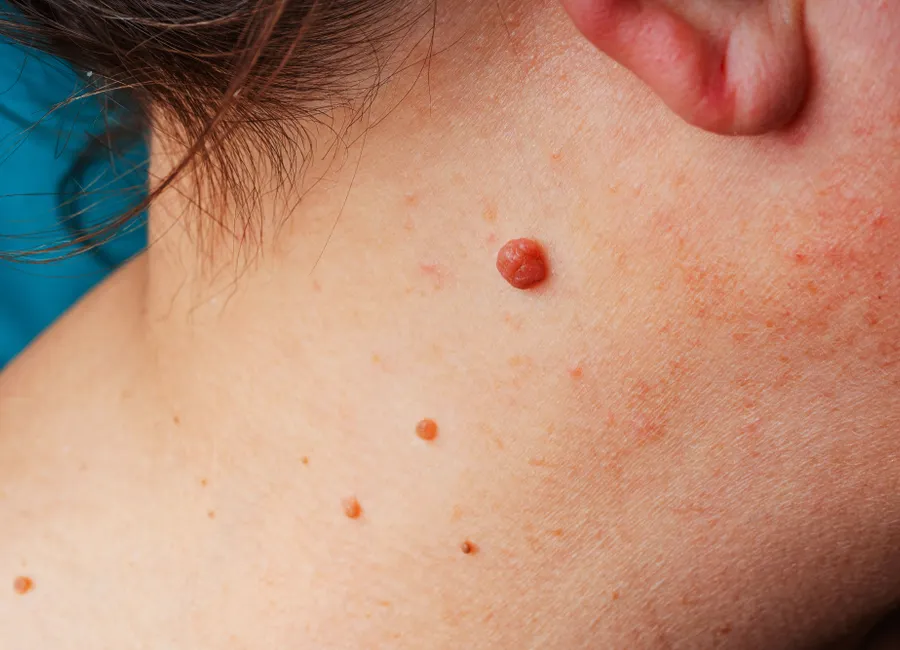
Skin Tag Removal Techniques
Skin tags are usually painless but can cause cosmetic concerns or irritation from constant friction. Modern techniques offer safe and effective options for removing them.
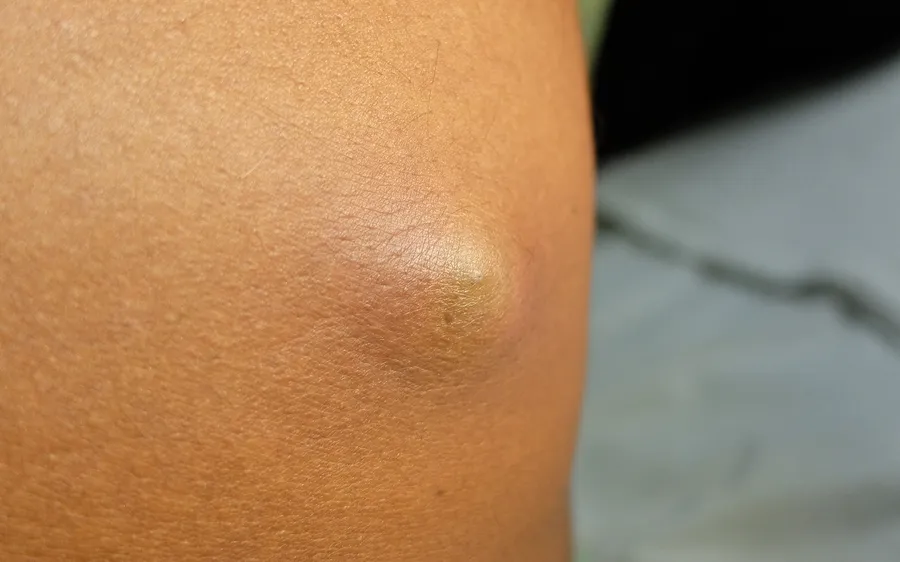
Sebaceous Cyst Removal
Sebaceous cysts are a common condition that appears beneath the skin and may cause cosmetic concerns. Today, several effective techniques are available to remove them safely.
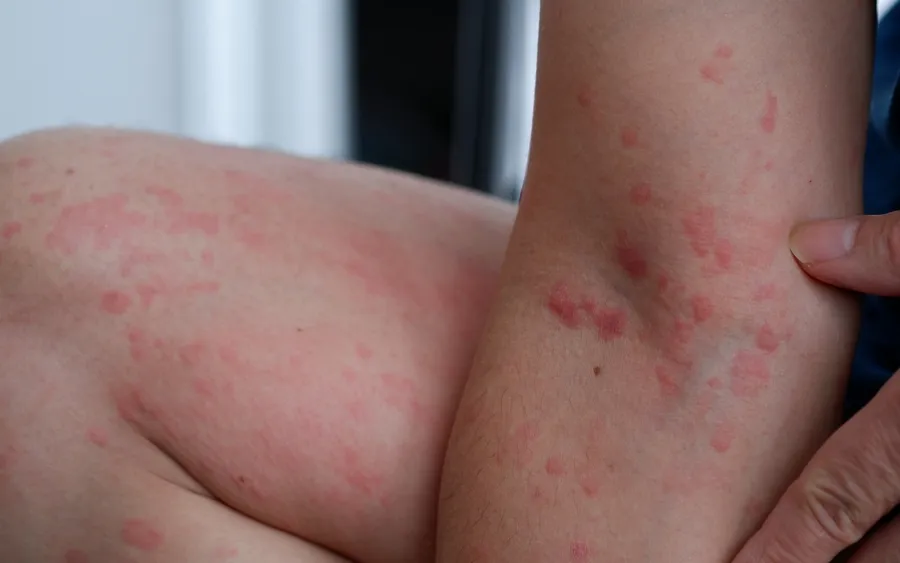
The Journey to Healing from Eczema
Eczema is a chronic skin condition that requires ongoing care and a comprehensive treatment plan including moisturization, medical treatment, and lifestyle management.
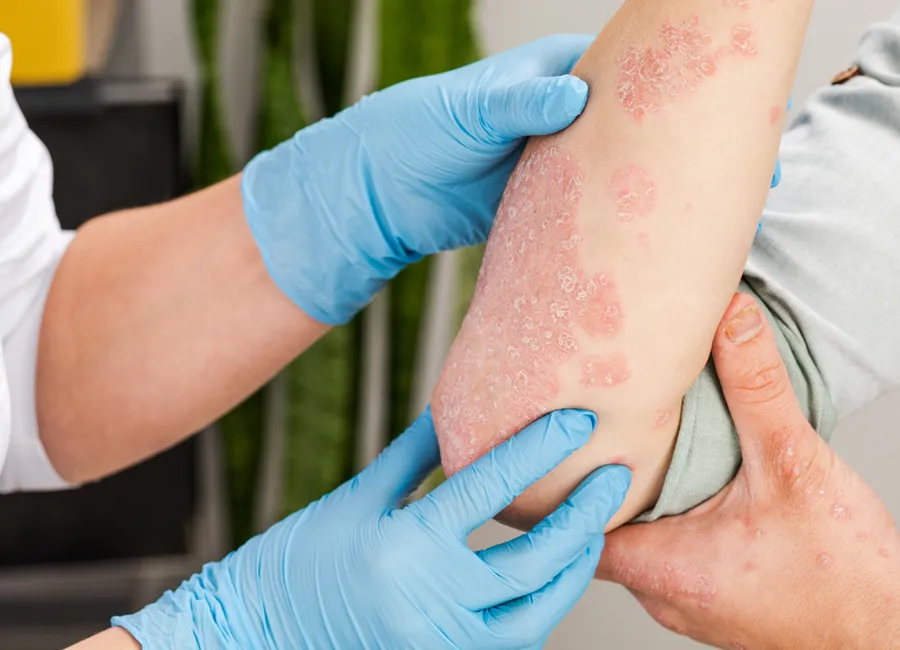
Psoriasis Treatment
Psoriasis is a chronic skin condition that requires a range of treatments, including ultraviolet light therapy, topical creams, and modern biologic therapies.
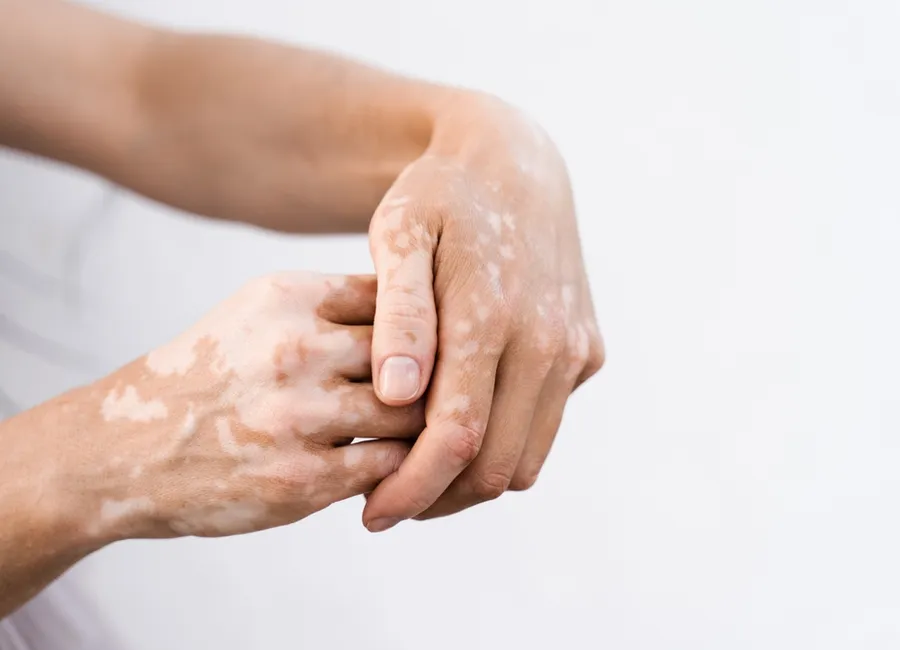
Vitiligo Treatment Techniques: Restoring Beauty and Self-Confidence
Vitiligo is a skin disorder caused by the loss of melanin, the pigment responsible for skin color, in certain areas of the skin.