dermatology
Skin Tag Removal Techniques
Skin tags are usually painless but can cause cosmetic concerns or irritation from constant friction. Modern techniques offer safe and effective options for removing them.
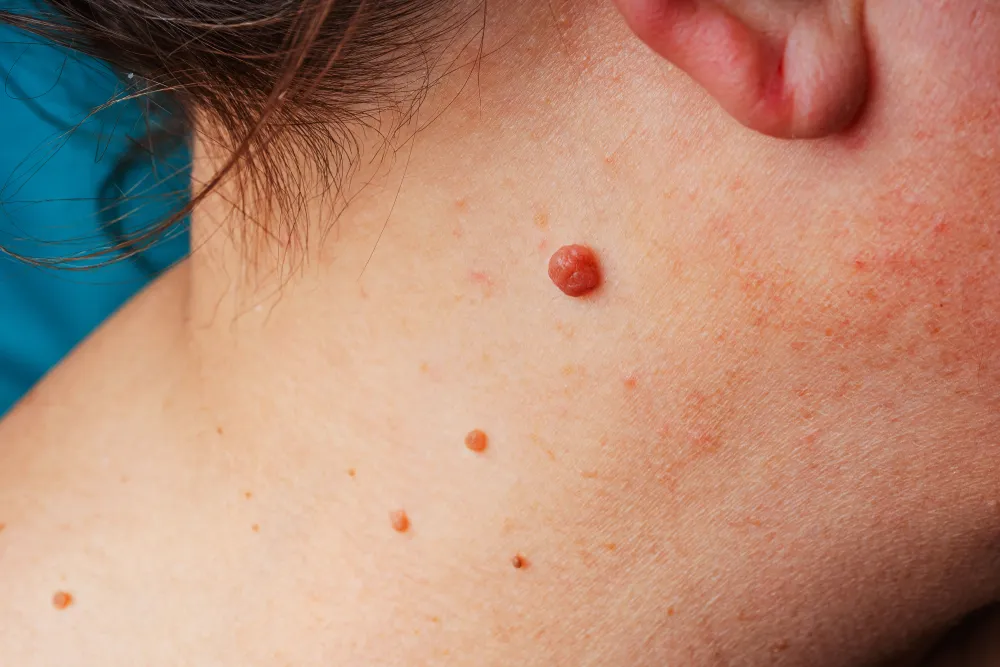
Skin tags are small, soft growths that can appear on various parts of the body. Although they are usually painless and harmless, they may cause cosmetic concerns or discomfort due to constant rubbing against clothing or jewelry. Fortunately, modern skin tag removal techniques provide safe and effective solutions for individuals who wish to remove them.
1. Minor Surgical Removal
One of the most common and reliable methods for removing skin tags is minor surgical excision. This procedure is performed by a qualified healthcare provider under local anesthesia. Using a precise surgical instrument, the skin tag is removed completely. Although a short recovery period may be required depending on the size and location of the skin tag, this method is highly effective and minimizes the likelihood of recurrence.
2. Cauterization and Cryotherapy (Freezing)
Cryotherapy and electrocautery are among the most popular minimally invasive techniques for removing skin tags. In cryotherapy, liquid nitrogen is applied to freeze the skin tag, destroying its cells so that it gradually falls off over time. This method generally does not require surgery and usually involves minimal discomfort, often requiring only a few treatment sessions. Electrocautery uses a controlled electrical current to destroy the excess tissue. It is particularly effective for smaller skin tags and typically offers quick healing with little to no noticeable scarring.
3. Laser Treatment
Laser therapy is one of the newest and most effective methods for skin tag removal. A focused laser beam is directed at the skin tag, vaporizing the excess tissue while promoting skin regeneration in the treated area. Laser treatment is highly precise, making it ideal for small to medium-sized skin tags. Compared with traditional surgery, it generally carries a lower risk of scarring and complications, with minimal downtime.
4. Topical Treatments
In some cases, topical treatments such as medicated creams or solutions containing specialized active ingredients may gradually shrink skin tags. While these treatments usually work more slowly than procedural options, they do not require surgery or invasive interventions. It is always recommended to consult a dermatologist before using topical treatments to ensure they are appropriate and safe for your skin.
5. Prevention and Skin Care
After skin tag removal, proper skin care is important to reduce the likelihood of developing new skin tags. Avoid harsh chemical products and skincare products that may clog pores. Keeping the skin clean and minimizing friction in areas where skin tags previously developed can also help maintain healthy skin.
The most appropriate skin tag removal technique depends on several factors, including the size and location of the skin tag, as well as individual medical and cosmetic preferences. Regardless of the method chosen, the ultimate goal is the same: healthier, clearer skin and greater comfort and confidence.
Related Topics
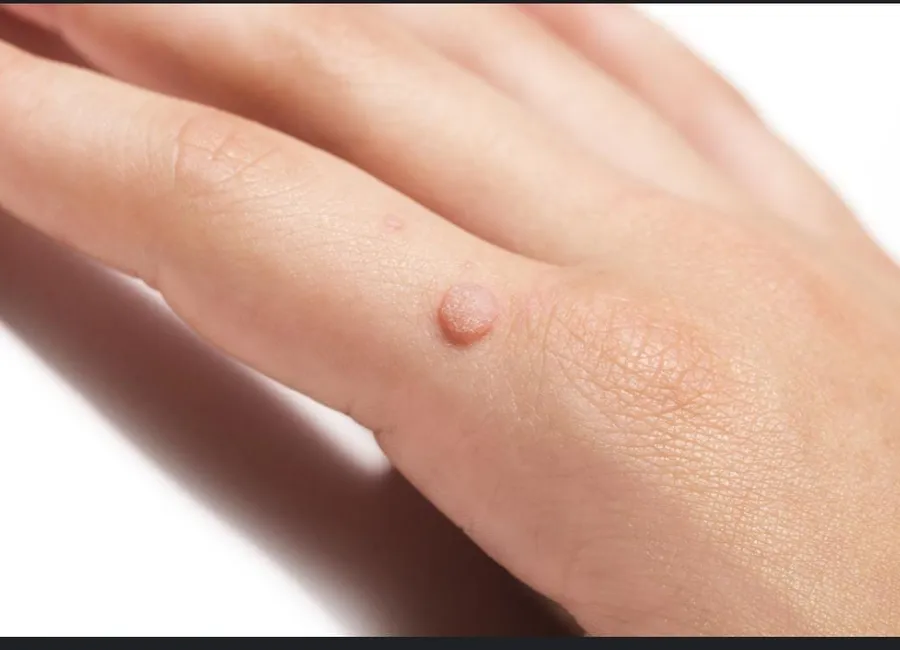
Wart Removal Techniques
Warts are common skin concerns that many people experience at different stages of life. There are several modern techniques that help remove them effectively and safely.
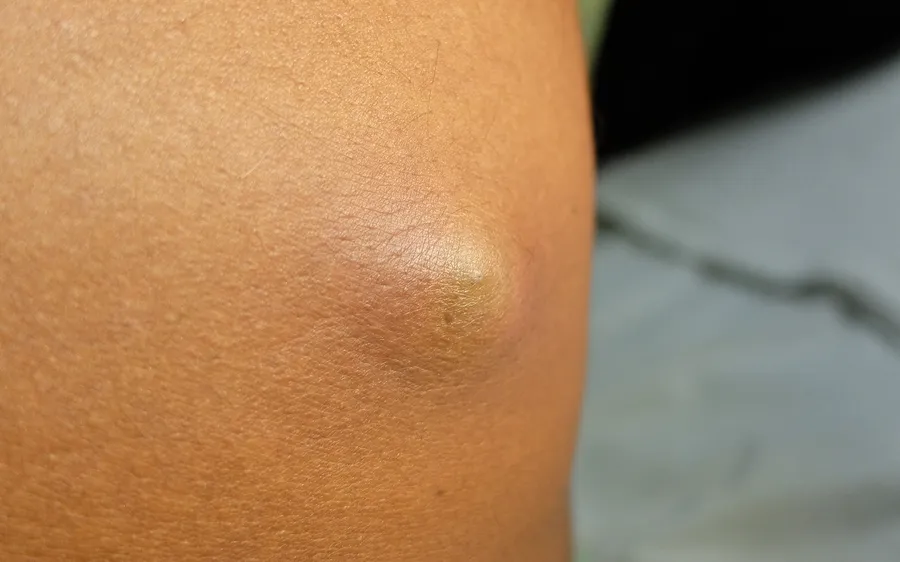
Sebaceous Cyst Removal
Sebaceous cysts are a common condition that appears beneath the skin and may cause cosmetic concerns. Today, several effective techniques are available to remove them safely.
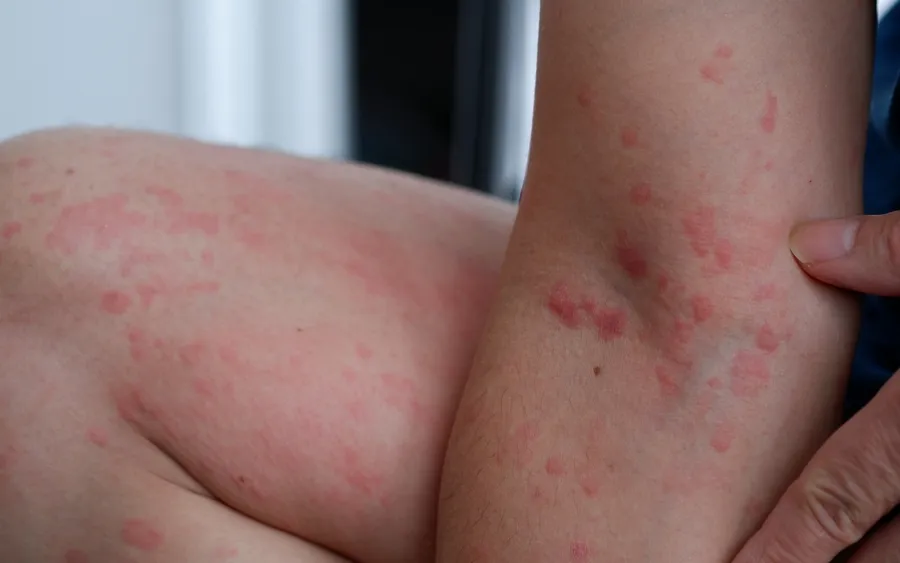
The Journey to Healing from Eczema
Eczema is a chronic skin condition that requires ongoing care and a comprehensive treatment plan including moisturization, medical treatment, and lifestyle management.
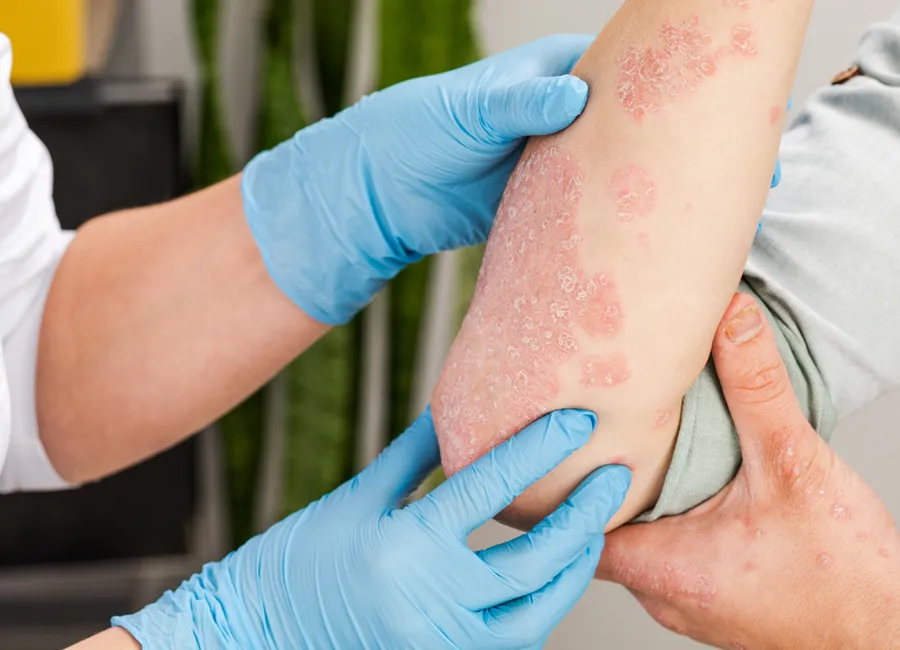
Psoriasis Treatment
Psoriasis is a chronic skin condition that requires a range of treatments, including ultraviolet light therapy, topical creams, and modern biologic therapies.
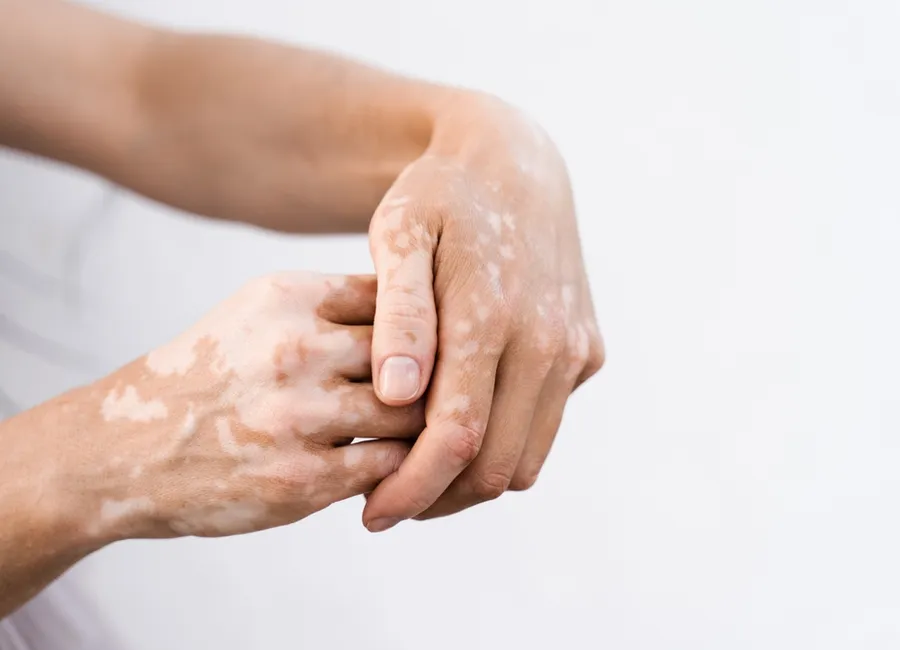
Vitiligo Treatment Techniques: Restoring Beauty and Self-Confidence
Vitiligo is a skin disorder caused by the loss of melanin, the pigment responsible for skin color, in certain areas of the skin.
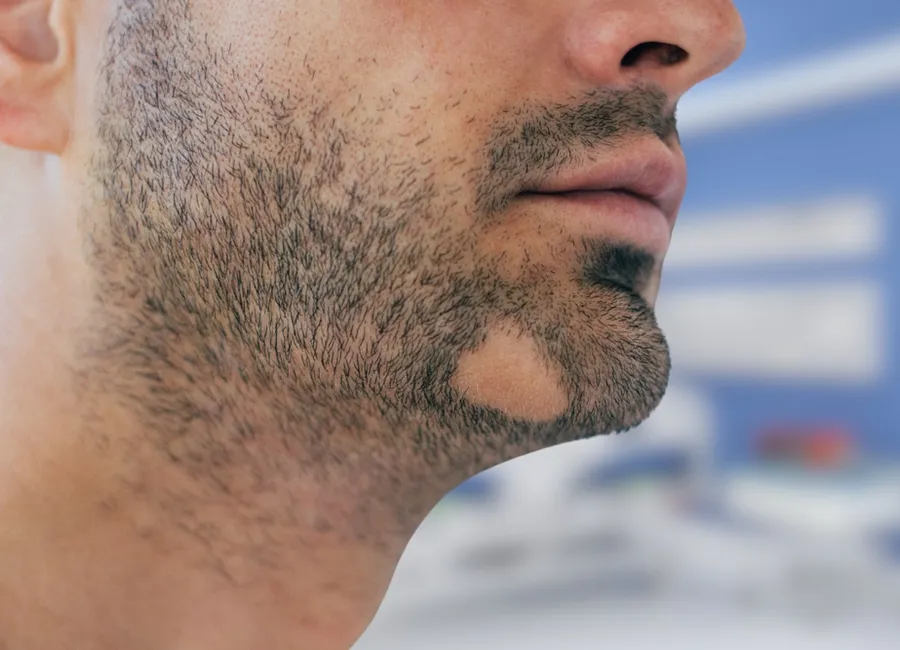
Alopecia Areata: Causes, Symptoms, and Treatment Methods
Alopecia areata is a common autoimmune skin condition that primarily affects the scalp, causing sudden, patchy hair loss.