dermatology
Wart Removal Techniques
Warts are common skin concerns that many people experience at different stages of life. There are several modern techniques that help remove them effectively and safely.
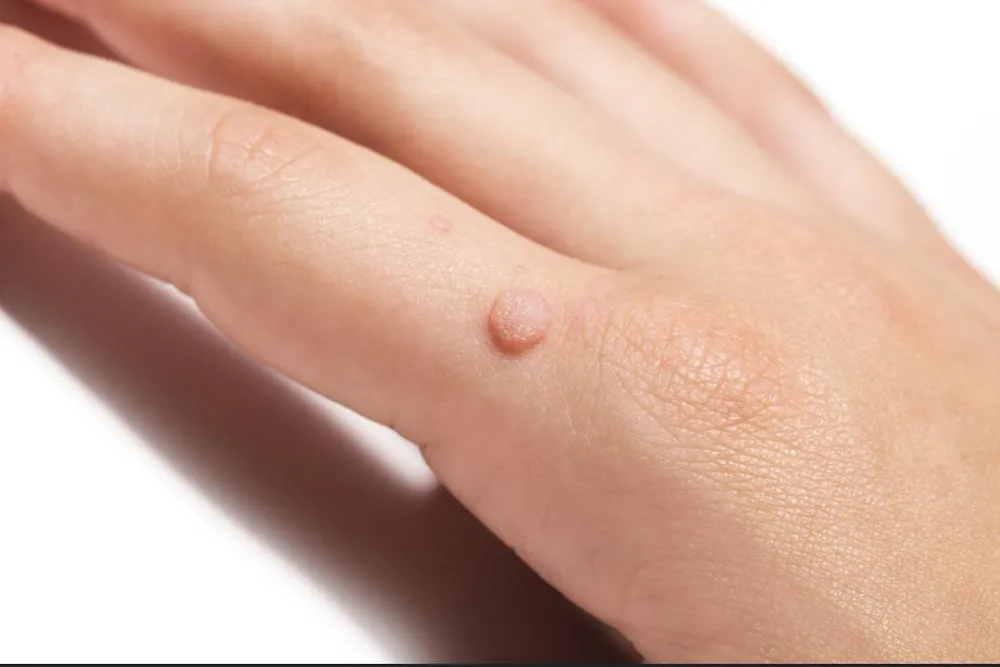
Warts are common skin conditions that many people experience at different stages of life. They are caused by an abnormal skin growth resulting from the human papillomavirus (HPV). Warts can appear anywhere on the body, but they most commonly develop on the hands or feet. Although they are usually painless, they can be cosmetically bothersome and affect a person’s confidence. Fortunately, there are several modern techniques that help remove warts effectively and safely.
1. Cryotherapy (Liquid Nitrogen)
One of the most common and simple wart removal methods is cryotherapy, which uses liquid nitrogen to freeze the wart. This technique works by freezing infected cells, causing them to die and eventually fall off over time. It is a non-surgical and safe option widely used in dermatology clinics. Cryotherapy usually requires multiple sessions and may cause mild discomfort for a short period.
2. Laser Treatment
Laser technology is one of the most effective methods for removing stubborn warts that do not respond to other treatments. The doctor uses a precise laser beam to target and destroy the affected tissue and the virus causing the growth. This method minimizes scarring and is suitable for warts in sensitive or hard-to-treat areas such as the face. Laser treatment is fast and requires minimal recovery time.
3. Electrocautery
Electrocautery is another effective technique for removing warts, where a controlled electric current is used to destroy the affected tissue. The procedure is performed using a specialized device that burns and removes the wart completely. It is commonly used for larger or multiple warts in the same area and allows for precise removal.
4. Chemical Treatment (Acids)
Chemical wart removal involves the application of acids such as salicylic acid directly onto the wart. These acids gradually break down the dead skin cells, eventually destroying the wart. Although this method may take longer to show results, it can be effective, especially for small and uncomplicated warts.
5. Immunotherapy (Imiquimod)
In some cases, doctors may recommend immune-boosting treatments such as imiquimod to stimulate the body’s immune system to fight the virus causing warts. This option can be helpful for recurring or resistant warts that do not respond well to conventional treatments.
6. Prevention and Ongoing Care
After wart removal, it is important to follow preventive measures to avoid recurrence. Doctors recommend avoiding contact with contaminated surfaces or objects that may carry the virus, as well as maintaining good hygiene practices in shared environments.
7. Post-Treatment Skin Care
Regardless of the treatment method used—laser, cryotherapy, or chemical therapy—proper aftercare is essential for healing. Patients should avoid scratching the treated area or exposing it to hot water for extended periods. Moisturizers may also be used to maintain skin hydration and promote healing.
Wart removal is not only a cosmetic procedure but also a step toward restoring skin comfort and confidence. With modern medical advancements, removing warts has become safe and straightforward, allowing patients to regain clear and healthy skin in a relatively short time. If you are dealing with warts, consulting a specialist is the best step to choose the most suitable treatment.
Related Topics
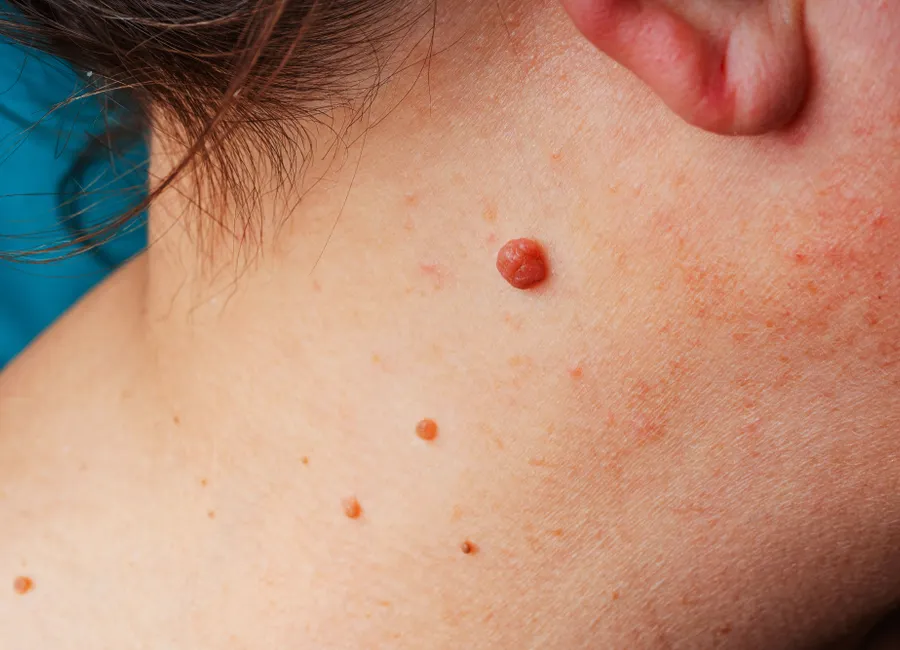
Skin Tag Removal Techniques
Skin tags are usually painless but can cause cosmetic concerns or irritation from constant friction. Modern techniques offer safe and effective options for removing them.
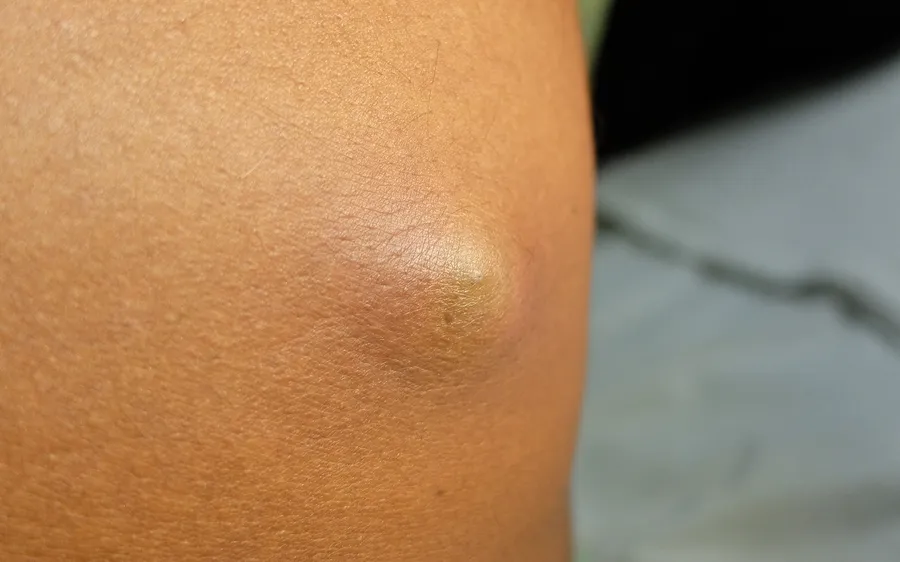
Sebaceous Cyst Removal
Sebaceous cysts are a common condition that appears beneath the skin and may cause cosmetic concerns. Today, several effective techniques are available to remove them safely.
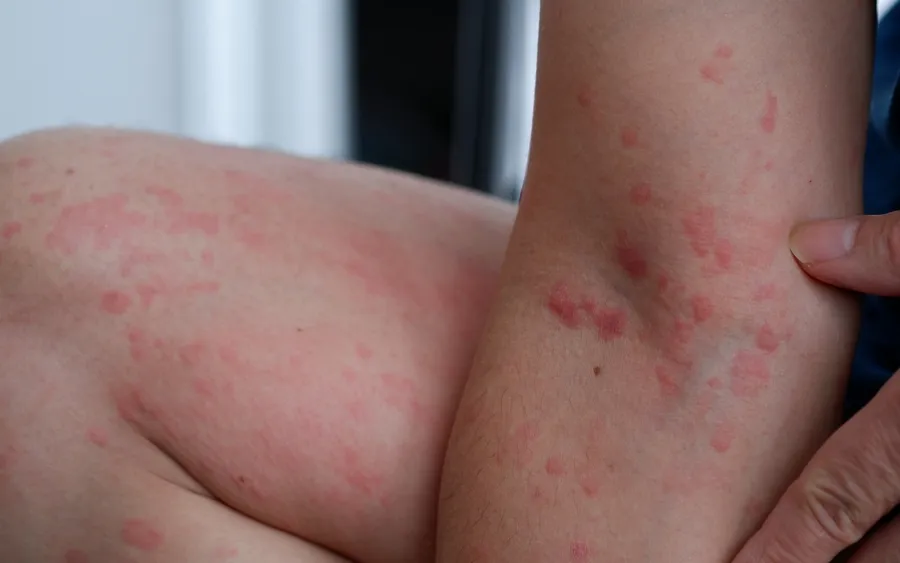
The Journey to Healing from Eczema
Eczema is a chronic skin condition that requires ongoing care and a comprehensive treatment plan including moisturization, medical treatment, and lifestyle management.
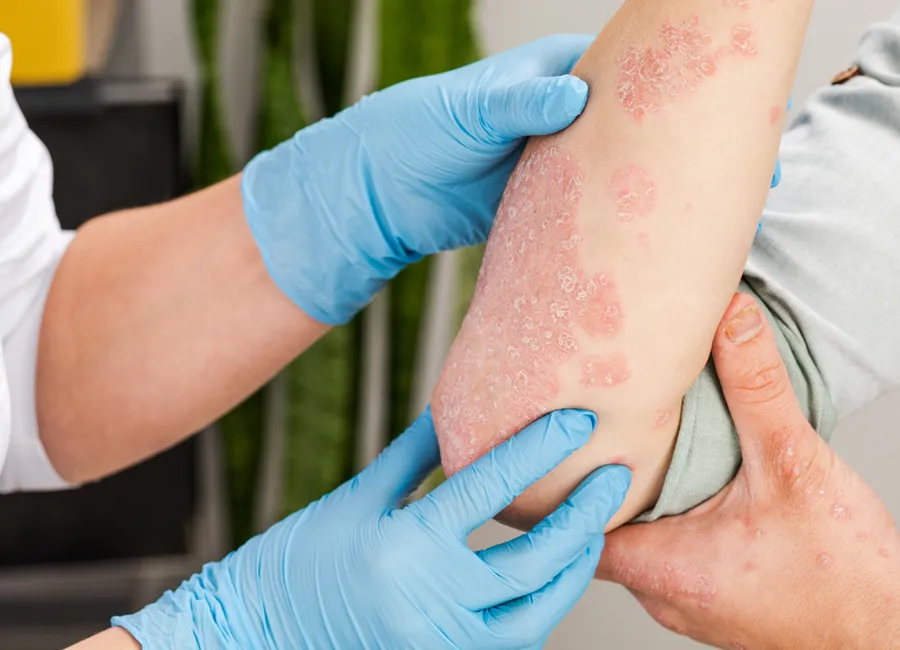
Psoriasis Treatment
Psoriasis is a chronic skin condition that requires a range of treatments, including ultraviolet light therapy, topical creams, and modern biologic therapies.
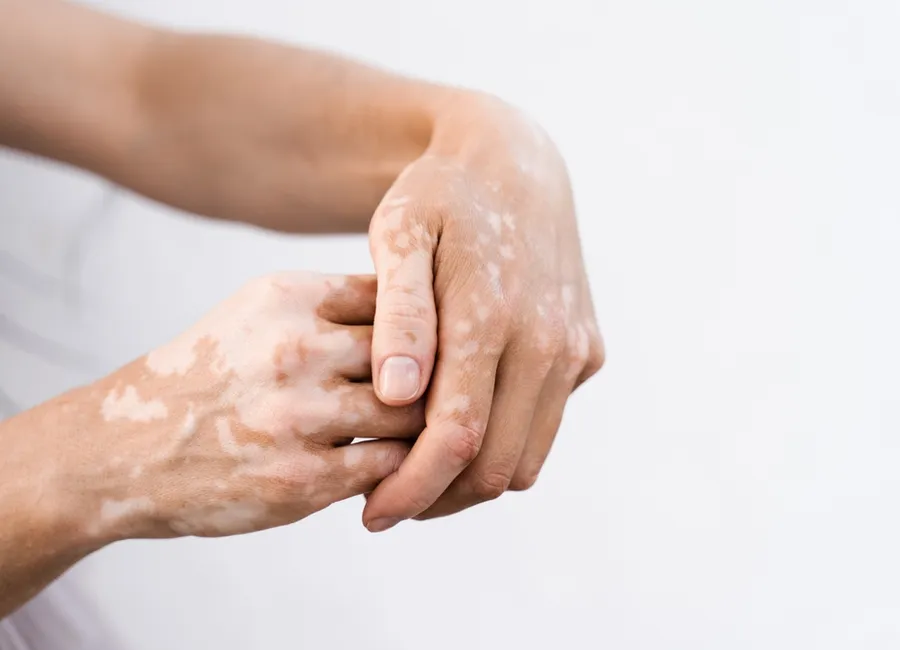
Vitiligo Treatment Techniques: Restoring Beauty and Self-Confidence
Vitiligo is a skin disorder caused by the loss of melanin, the pigment responsible for skin color, in certain areas of the skin.
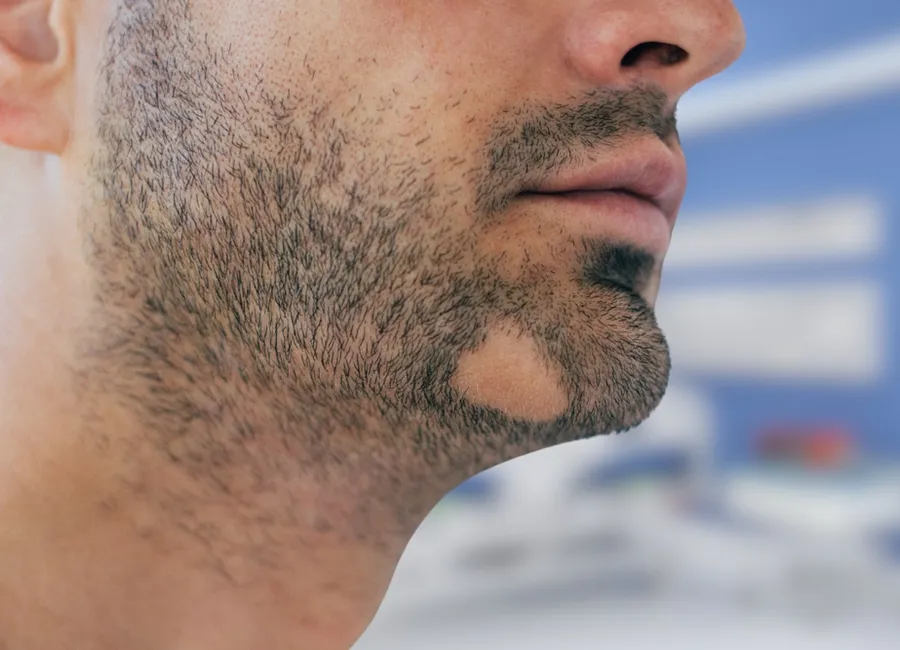
Alopecia Areata: Causes, Symptoms, and Treatment Methods
Alopecia areata is a common autoimmune skin condition that primarily affects the scalp, causing sudden, patchy hair loss.