hair-care
Alopecia Treatment Techniques
Alopecia is a condition that causes sudden hair loss and bald patches. Today, multiple treatment techniques are available to stimulate hair growth and restore a natural appearance.
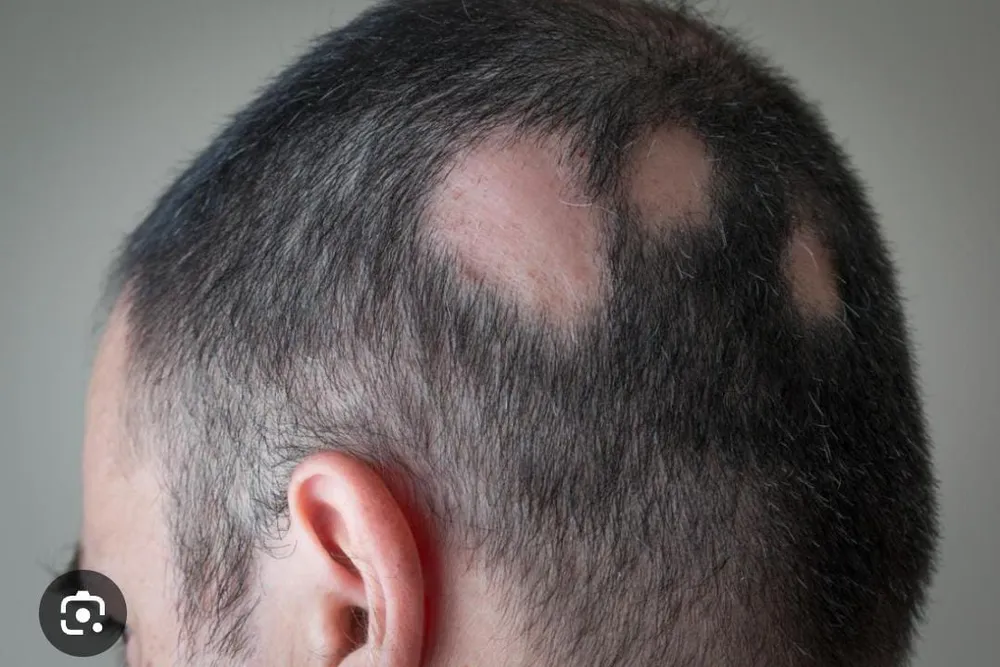
Alopecia, a condition that causes sudden hair loss and bald patches on the scalp or body, can leave many people feeling confused and anxious. Patients experience hair loss that appears in round or irregular patches, which can significantly affect self-confidence and overall appearance. However, there is new hope thanks to modern technologies that have enabled advanced medical solutions to restore hair growth and help patients regain a natural look.
1. Topical corticosteroid therapy
Corticosteroids are among the most common treatments for alopecia. These medications work by reducing inflammation and stimulating hair follicles to regrow. They are applied topically to the affected areas of the scalp or skin. The treatment may take a few weeks to show results, but it can be highly effective, especially in non-advanced cases. It is important that this treatment is used under medical supervision to ensure proper dosage and effectiveness.
2. Injection therapy (corticosteroids)
If alopecia is more advanced, doctors may recommend corticosteroid injections directly into the affected areas. This treatment is often more effective than topical creams in certain cases, as it works faster and more deeply to stimulate growth and reduce inflammation. Cortisone is injected into bald areas to stimulate hair follicles to grow more quickly. Although it may cause minor side effects such as skin irritation, results are often noticeable in many cases.
3. Minoxidil therapy
Minoxidil is one of the most widely used treatments for hair loss, including alopecia. It works by improving blood circulation in the scalp, which helps stimulate hair follicles to grow. It is applied topically and must be used regularly on affected areas. Minoxidil is effective in treating hair loss caused by alopecia, but it requires patience, as results typically appear after several weeks of consistent use.
4. Laser therapy (low-level laser therapy)
Low-level laser therapy (LLLT) has recently emerged as one of the available options for treating alopecia. This treatment uses low-energy laser devices to stimulate stem cells in the scalp. The laser improves blood circulation and increases oxygen flow to hair follicles, enhancing hair growth and reducing hair loss. Laser therapy can be used at home with portable devices or in clinics under specialist supervision. Multiple sessions may be required to achieve desired results, but it has shown effectiveness in many patients.
5. Immunotherapy (DPCP)
In some advanced cases of alopecia, doctors may recommend immunotherapy known as DPCP (Diphenylcyclopropenone). This treatment works by stimulating the immune system to trigger a controlled reaction on the scalp, which helps restore hair growth. The substance is applied to the affected area, causing mild skin inflammation that encourages the body to reactivate hair growth. This treatment can be highly effective in cases that do not respond to other therapies, but it requires close medical monitoring.
6. Hair transplantation
In severe cases of alopecia that do not respond to medical or topical treatments, hair transplantation may be the final solution. This procedure involves taking healthy hair follicles from another area of the scalp or body and transplanting them into bald areas. Although hair transplantation requires a longer recovery period, it is considered a permanent solution for restoring hair in affected areas.
Related Topics
Dandruff
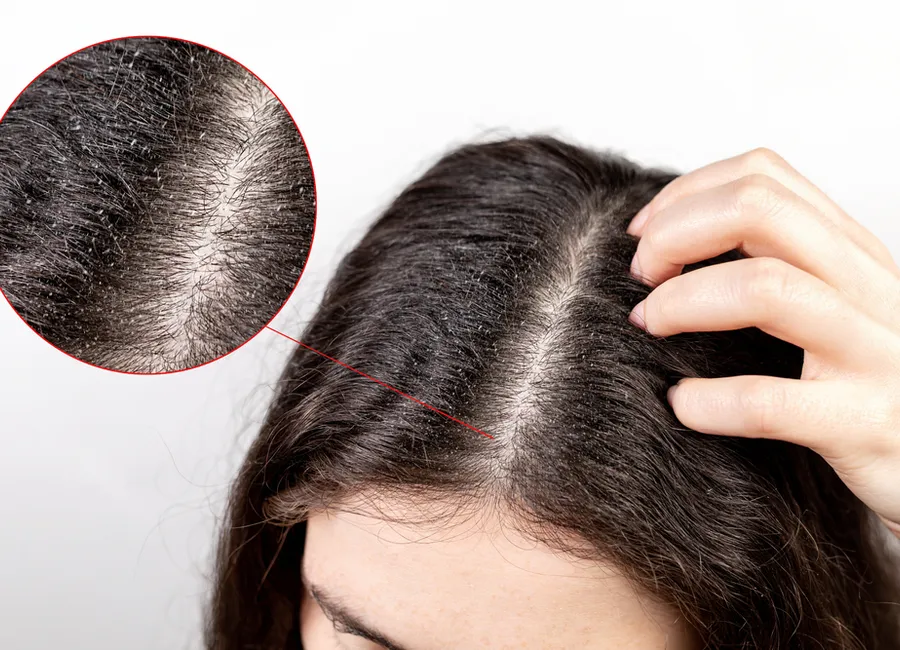
Dandruff is a common condition characterized by flaking of the scalp and the appearance of small white flakes.
Scalp Psoriasis
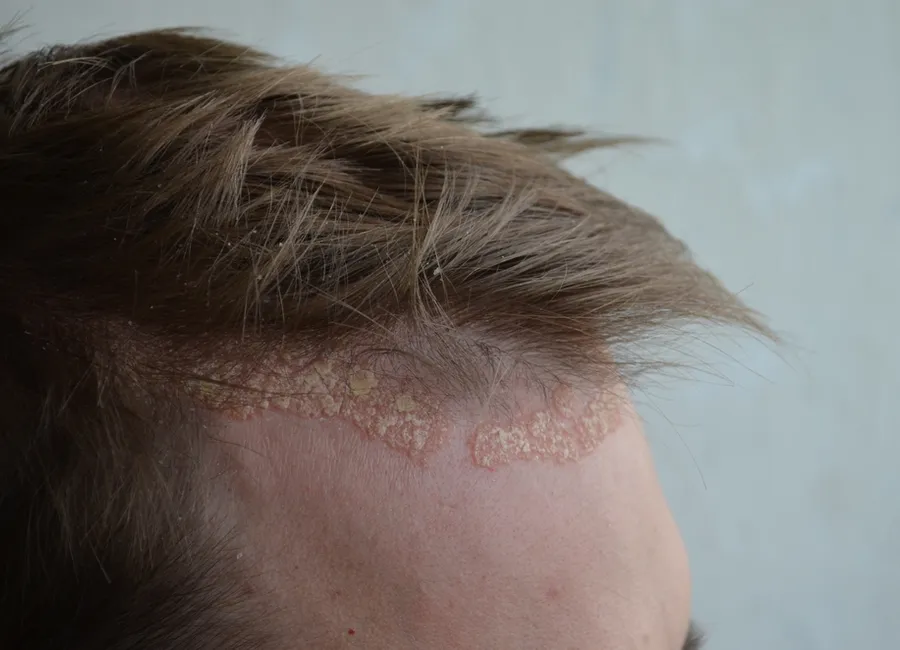
Scalp psoriasis is a common skin condition that affects the scalp, causing thick silver or white scales and intense itching.
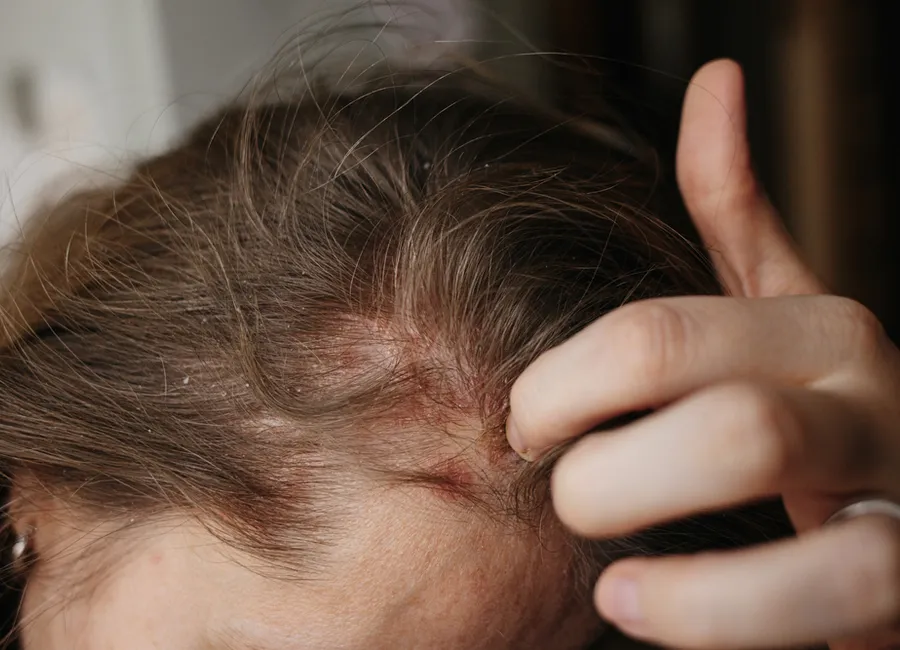
Seborrheic Eczema
Seborrheic eczema is a common skin condition that affects millions of people worldwide.
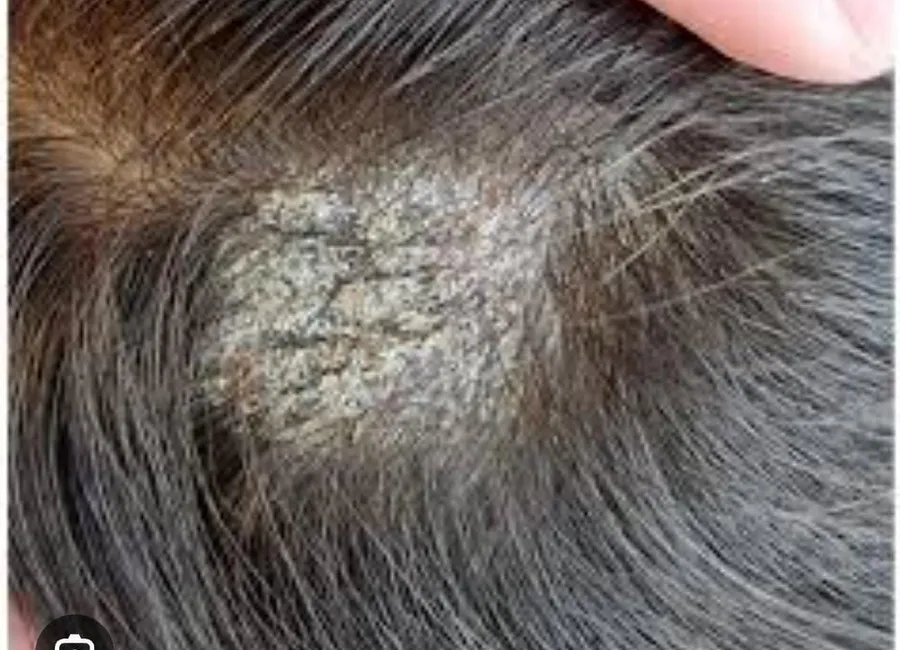
Hair Fungal Infections
Hair fungal infections are common problems that affect the scalp and can significantly impact hair health and overall appearance.
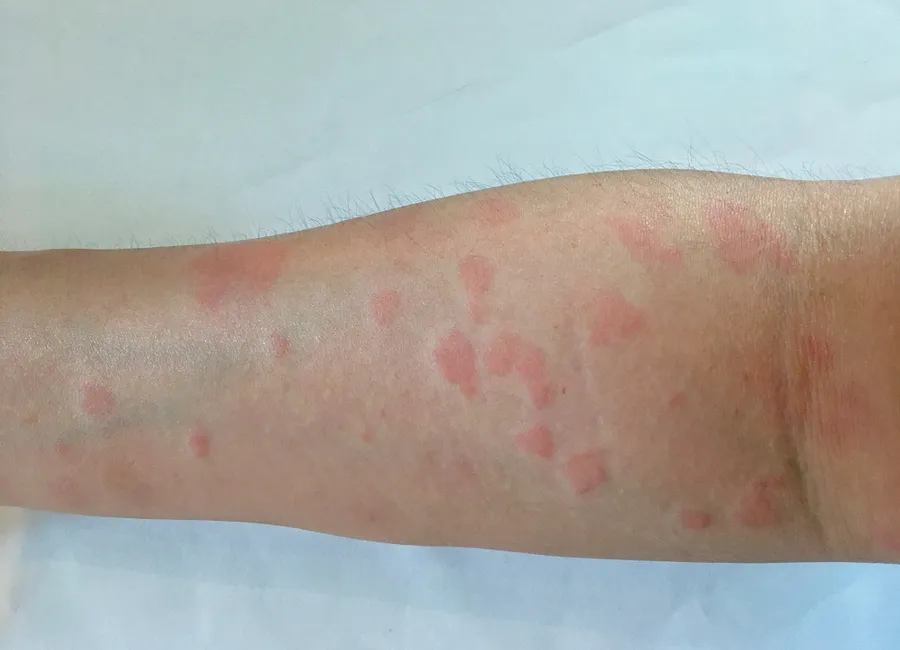
Lupus (Systemic Lupus Erythematosus)
Lupus, or Systemic Lupus Erythematosus (SLE), is a complex and chronic autoimmune disease.
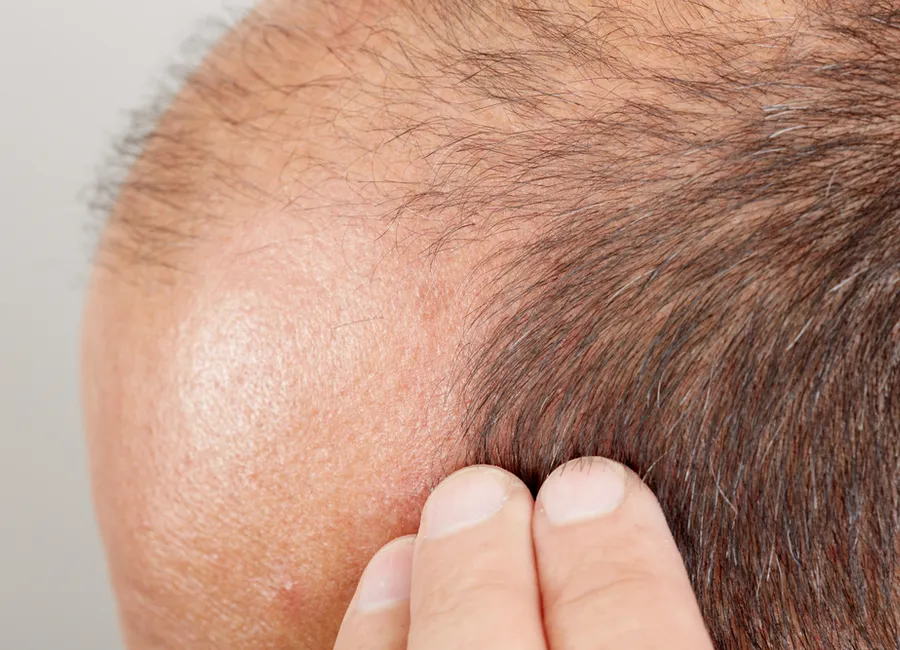
Androgenetic Alopecia (Genetic Hair Loss)
Genetic hair loss, or androgenetic alopecia, is the most common type of hair loss, affecting both men and women due to genetic and hormonal factors that impact hair follicles.