hair-care
Bacterial Folliculitis: Causes, Symptoms, and Treatment Methods
Folliculitis is a common skin condition characterized by the inflammation of hair follicles, the tiny pockets from which individual hairs grow.
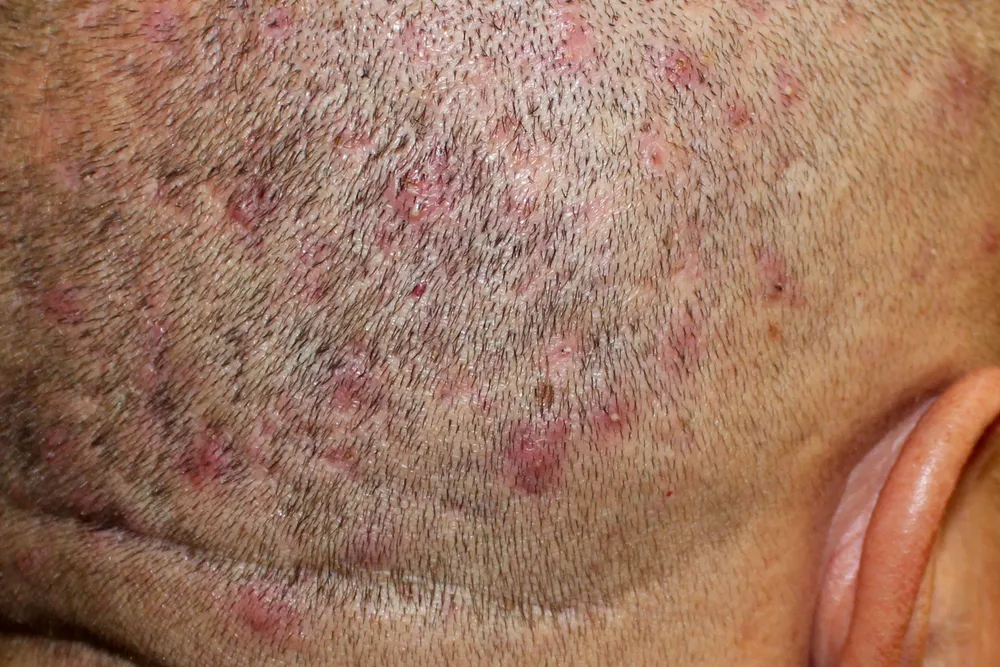
Folliculitis is a common dermatological condition that targets and inflames hair follicles—the microscopic sacs within the skin where hair roots develop. While it can manifest on any hair-bearing surface of the body, it most frequently develops on the face, scalp, legs, thighs, and underarms.
Causes and Symptoms
The primary trigger for bacterial folliculitis is a localized infection, most commonly caused by Staphylococcus aureus bacteria. These pathogens easily penetrate the protective barriers of the hair follicles through minor cuts, shaving scratches, or prolonged physical friction.
- Small Red Bumps: Appearing on the skin surface surrounding individual hair follicles.
- Pustules: These inflamed red bumps may progressively develop into small, pus-filled blisters.
- Pruritus: Patients frequently experience an itching or tingling sensation across the affected skin zones.
- Tenderness: Mild pain, soreness, or localized discomfort when touching the irritated areas.
Diagnosis and Treatment
A clinical diagnosis of folliculitis relies on a physical examination of the lesions and a thorough review of the patient's medical history. In specific cases, a dermatologist may collect a small fluid swab or skin scraping to test under a microscope to pinpoint the exact causative pathogen.
- Hygiene Maintenance: Keeping the infected zone clean by washing regularly with water and a specialized antibacterial soap cleanser.
- Warm Compresses: Applying moist, warm compresses to the irritated skin multiple times a day to alleviate swelling and promote drainage.
- Antibiotic Therapies: For severe, widespread, or recurring cases, a specialist may prescribe targeted topical or oral systemic antibiotics.
Tips for Preventing Folliculitis
Adhering to specific personal care adjustments can substantially lower the risk of developing future hair follicle infections:
- Optimize Shaving Practices: If shaving is necessary, always utilize a clean, sharp razor blade and slide it strictly in the direction of natural hair growth.
- Avoid Tight Clothing: Refrain from wearing restrictive garments that induce heavy friction and trapped sweat against the skin surface.
- Sustain Skin Cleanliness: Wash the skin thoroughly post-workout using an appropriate antibacterial body wash.
- Never Share Personal Items: Avoid sharing towels, washcloths, or razors to completely block the cross-transmission of bacteria.
While common bacterial folliculitis is rarely a severe medical threat, it can become highly uncomfortable, painful, or aesthetically distressing if left unmanaged. If you experience persistent symptoms, consulting a certified dermatologist is essential to secure an accurate diagnosis and a proper treatment regimen.
Related Topics
Dandruff
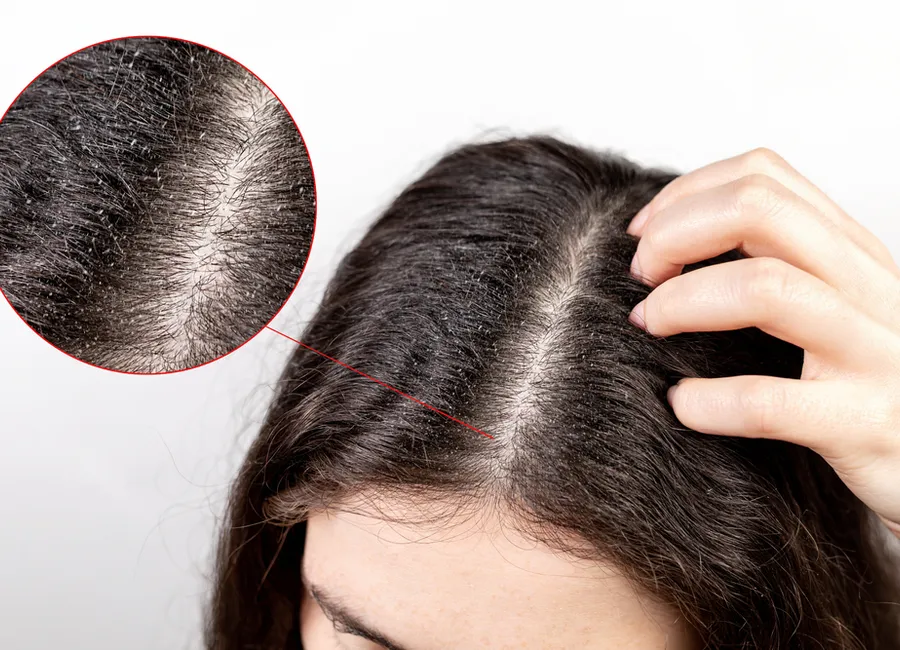
Dandruff is a common condition characterized by flaking of the scalp and the appearance of small white flakes.
Scalp Psoriasis
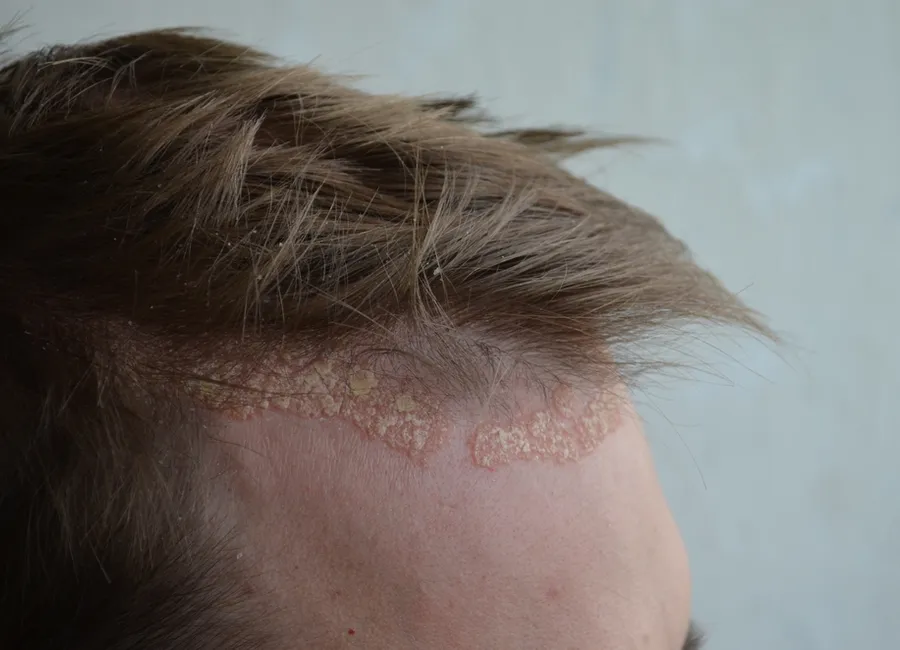
Scalp psoriasis is a common skin condition that affects the scalp, causing thick silver or white scales and intense itching.
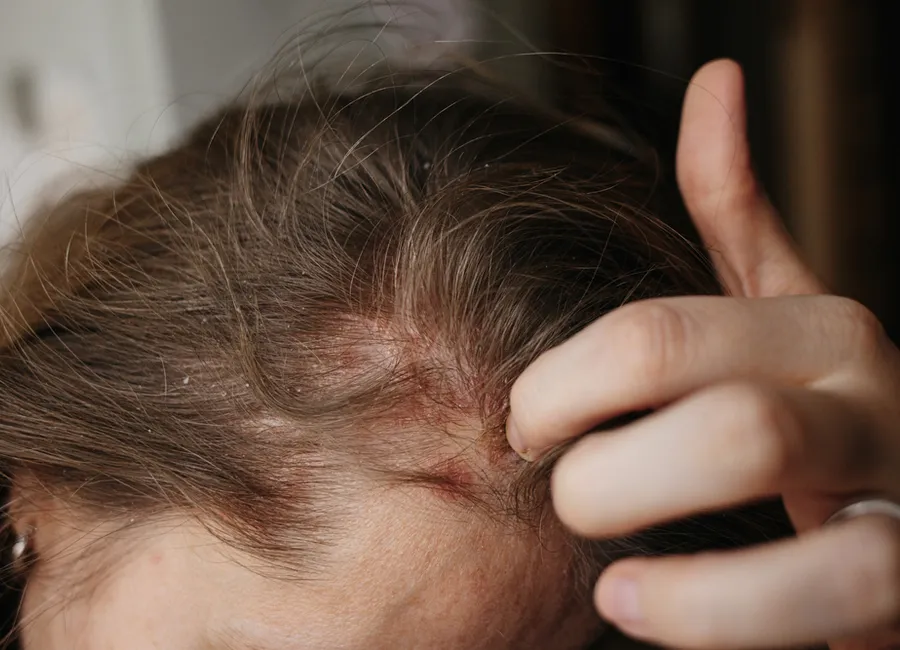
Seborrheic Eczema
Seborrheic eczema is a common skin condition that affects millions of people worldwide.
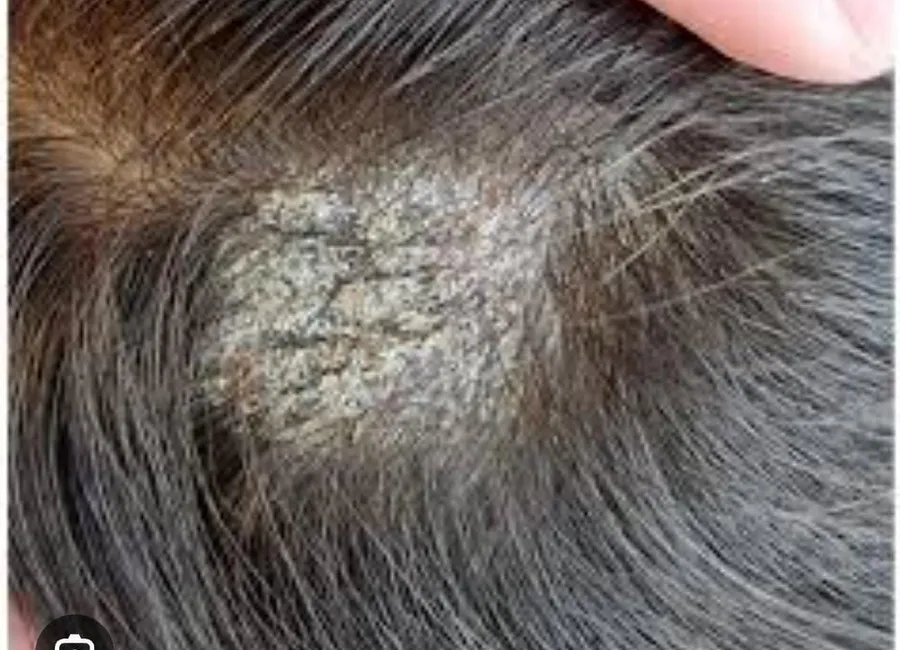
Hair Fungal Infections
Hair fungal infections are common problems that affect the scalp and can significantly impact hair health and overall appearance.
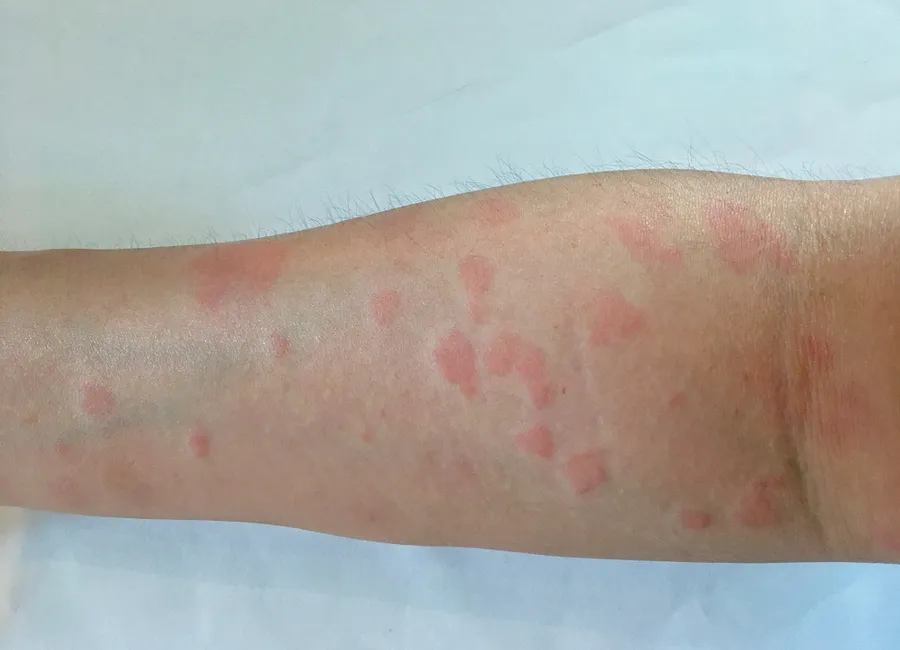
Lupus (Systemic Lupus Erythematosus)
Lupus, or Systemic Lupus Erythematosus (SLE), is a complex and chronic autoimmune disease.
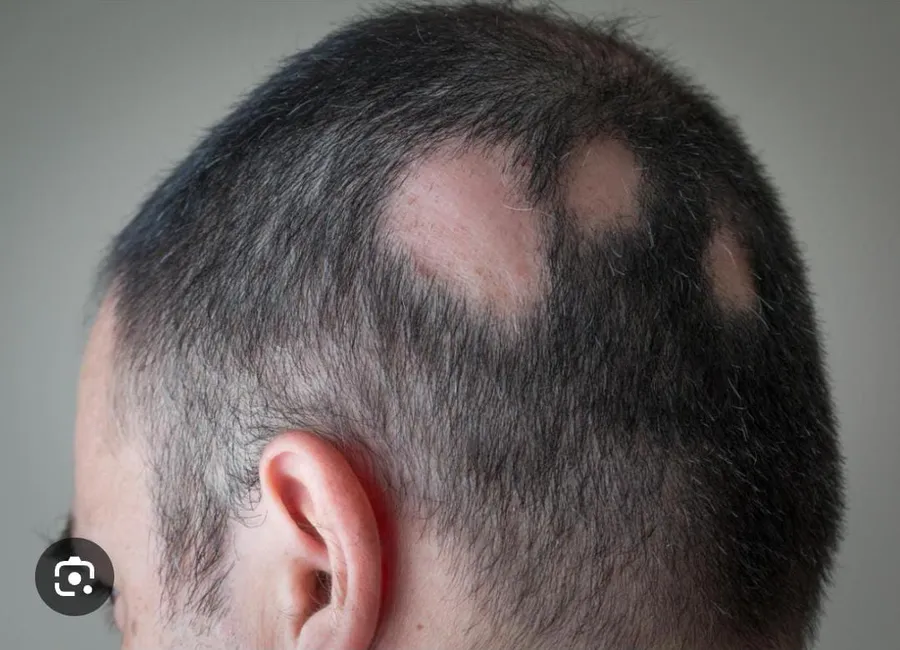
Alopecia Treatment Techniques
Alopecia is a condition that causes sudden hair loss and bald patches. Today, multiple treatment techniques are available to stimulate hair growth and restore a natural appearance.