hair-care
Telogen Effluvium Hair Loss
Telogen effluvium is a temporary type of hair loss that occurs due to psychological stress or physical and health changes that affect the hair growth cycle.

Hair loss is one of the most concerning problems for many people, but there is a type of shedding that often remains confusing despite being common: telogen effluvium. This type of hair loss can appear suddenly in people who have never experienced significant shedding before, and it affects both men and women across different age groups. So what exactly is telogen effluvium, and how can it be managed?
What is Telogen Effluvium?
Telogen effluvium is a type of hair loss that occurs as a result of a sudden change in a person's physical or psychological condition. Unlike chronic or genetic hair loss, telogen effluvium is triggered by physical or emotional stress. A person may experience hair shedding after a sudden event such as severe stress, hormonal changes, or even serious illness or surgery.
Symptoms of telogen effluvium typically begin 3 to 6 months after exposure to the triggering factor. This delay is longer compared to genetically related hair loss, which can make early diagnosis more challenging.
Causes of Telogen Effluvium
There are several causes that may lead to telogen effluvium, including:
- Psychological stress: Emotional stress such as losing a loved one, work problems, or chronic anxiety can disrupt the hair growth cycle, leading to sudden shedding.
- Hormonal changes: Hormonal shifts due to pregnancy, childbirth, or stopping birth control pills can also trigger telogen effluvium.
- Physical illnesses: Conditions such as high fever, thyroid disorders, or vitamin and mineral deficiencies may contribute to hair loss.
- Surgery or medications: Certain medications, such as those used in chemotherapy or drugs that affect hormonal balance, can lead to telogen effluvium.
Symptoms of Telogen Effluvium
Telogen effluvium usually appears suddenly and includes several noticeable symptoms:
- Noticeable hair shedding: Increased hair loss during showering or brushing, with large amounts of hair on brushes or in drains.
- Increased shedding after stress: The amount of shed hair may accumulate over time, making the loss more noticeable.
- Thinning or gaps in the scalp: The condition may lead to visibly thinner areas or patches on the scalp.
How to Manage Telogen Effluvium
Fortunately, telogen effluvium is usually a temporary condition that can be treated once the underlying cause is addressed. Here are some ways to help manage it:
- Reduce stress: If stress is the main trigger, lowering stress levels is essential. Techniques such as meditation, deep breathing, or regular exercise can help.
- Improve nutrition: Ensure a balanced diet rich in essential nutrients such as vitamins (B and D), iron, zinc, and protein to support hair health.
- Medical treatment: If an underlying medical condition is suspected, consult a doctor. Supplements or medications may be recommended to support hair regrowth.
- Patience and waiting: Since telogen effluvium is often temporary, hair typically begins to regrow once the body returns to its normal state.
Prevention of Telogen Effluvium
While it cannot always be completely prevented, certain steps may reduce the risk of developing telogen effluvium:
- Avoid excessive psychological stress.
- Maintain a balanced diet with all essential nutrients.
- Exercise regularly to improve circulation and reduce stress.
Telogen effluvium is a temporary hair loss condition caused by factors such as stress and physical changes. Although it can be distressing, proper care and early management can help restore normal hair growth. Patience and consistent care are key to recovery from this type of hair shedding.
Related Topics
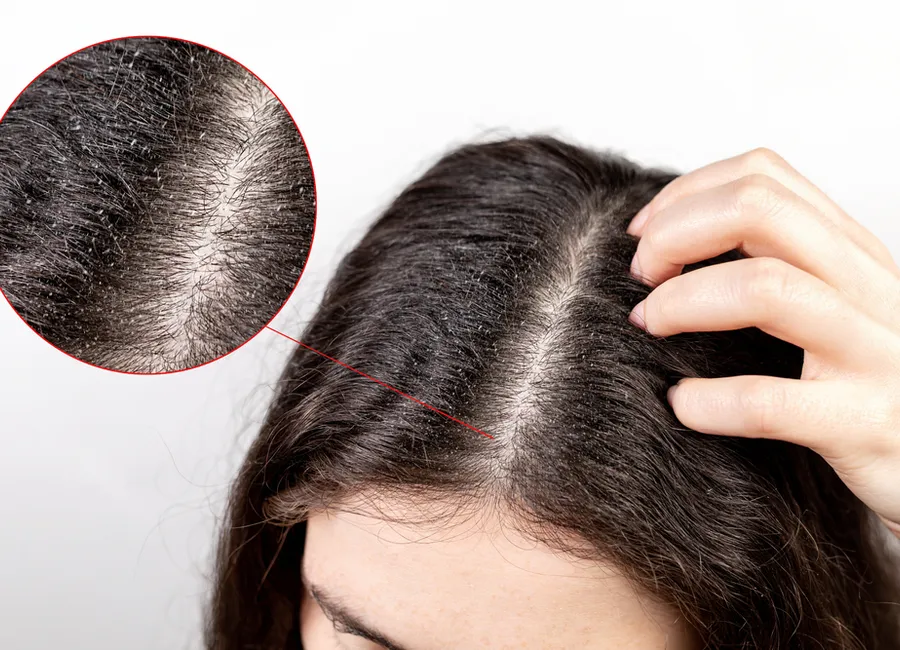
Dandruff
Dandruff is a common condition characterized by flaking of the scalp and the appearance of small white flakes.
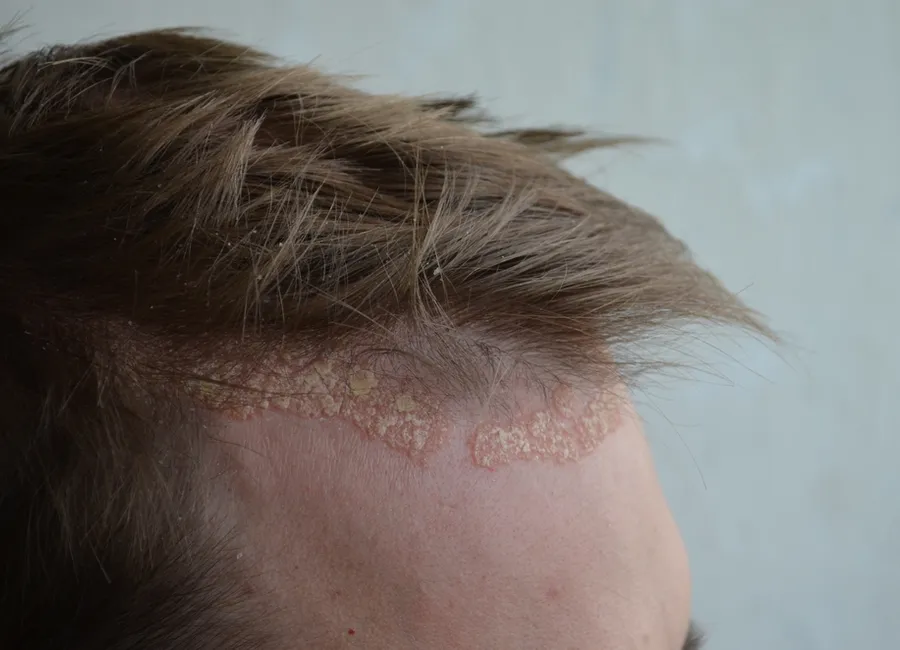
Scalp Psoriasis
Scalp psoriasis is a common skin condition that affects the scalp, causing thick silver or white scales and intense itching.
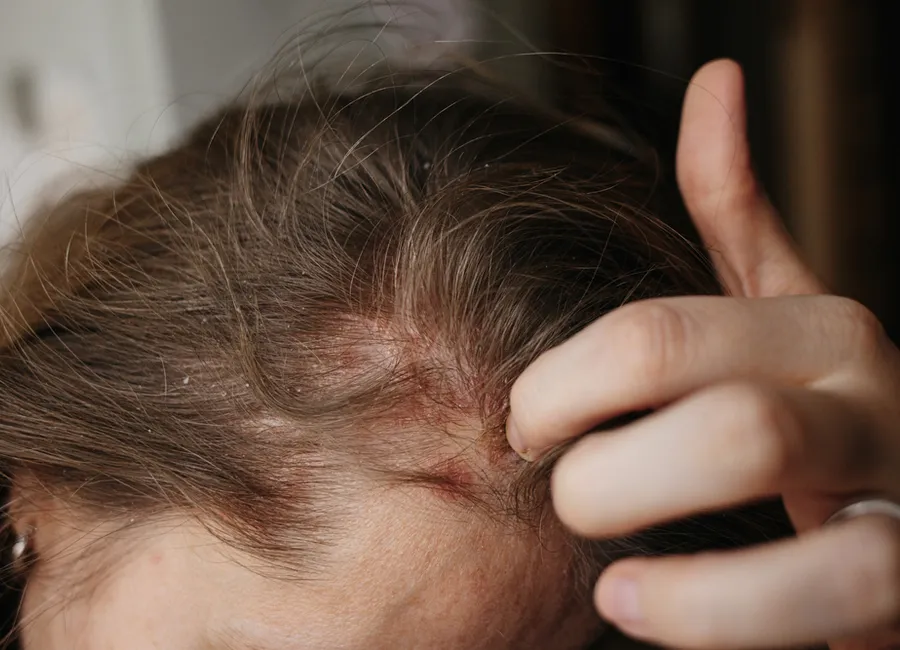
Seborrheic Eczema
Seborrheic eczema is a common skin condition that affects millions of people worldwide.
Hair Fungal Infections
Hair fungal infections are common problems that affect the scalp and can significantly impact hair health and overall appearance.
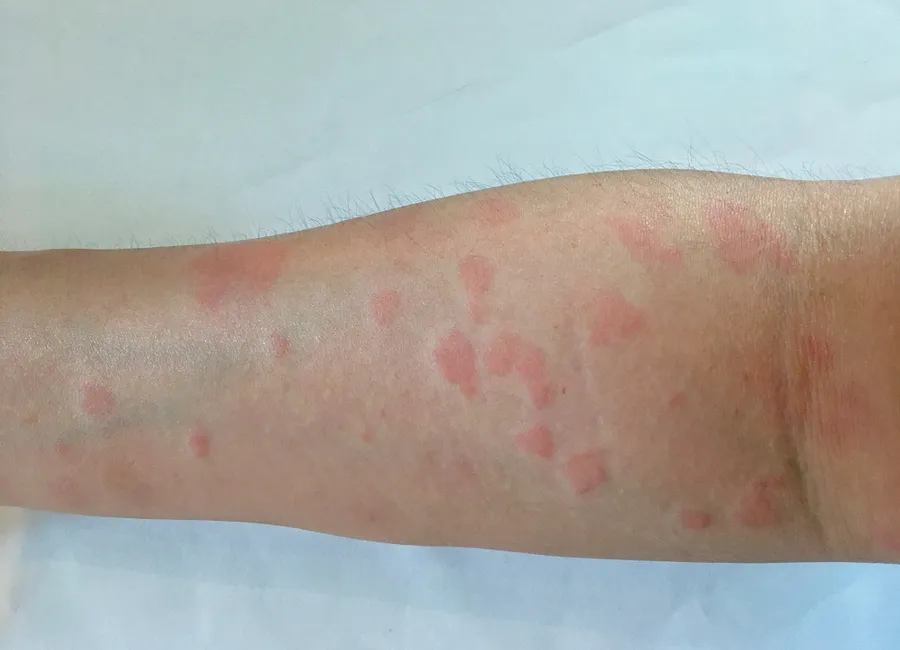
Lupus (Systemic Lupus Erythematosus)
Lupus, or Systemic Lupus Erythematosus (SLE), is a complex and chronic autoimmune disease.
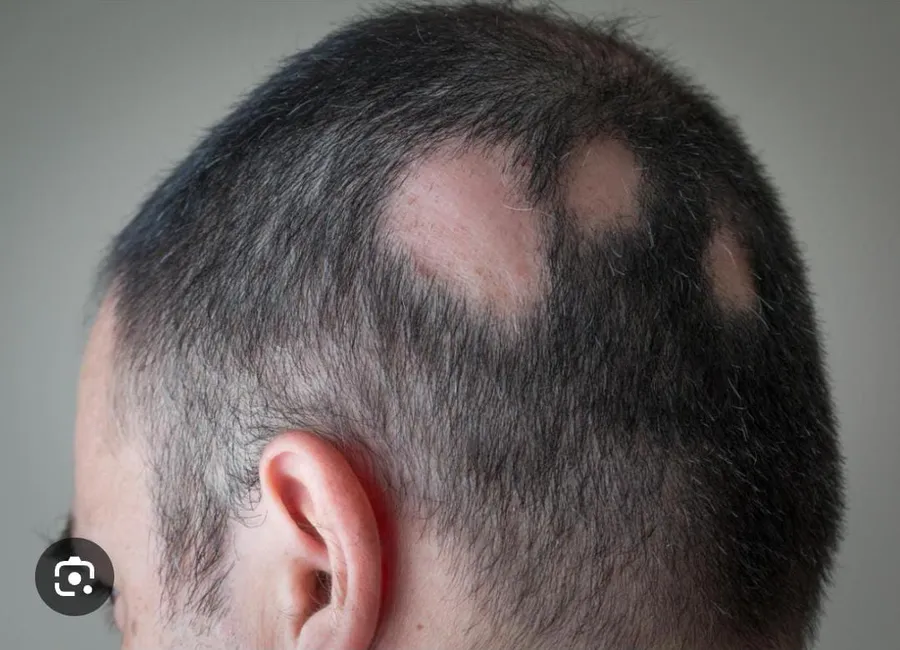
Alopecia Treatment Techniques
Alopecia is a condition that causes sudden hair loss and bald patches. Today, multiple treatment techniques are available to stimulate hair growth and restore a natural appearance.